vue-router实现布局
使用 Vue Router 实现布局
Vue Router 可以与 Vue.js 结合使用,实现动态布局和嵌套路由。以下是一些常见的方法:
1. 基础路由配置
在 router/index.js 中定义路由,每个路由可以关联不同的组件:
import { createRouter, createWebHistory } from 'vue-router';
import Home from '../views/Home.vue';
import About from '../views/About.vue';

const routes = [
  {
    path: '/',
    name: 'Home',
    component: Home
  },
  {
    path: '/about',
    name: 'About',
    component: About
  }
];

const router = createRouter({
  history: createWebHistory(),
  routes
});

export default router;
2. 嵌套路由实现布局
通过嵌套路由可以实现多层级布局。例如,主布局包含侧边栏和内容区域:
const routes = [
  {
    path: '/',
    component: Layout, // 主布局组件
    children: [
      {
        path: '',
        component: Home // 默认子路由
      },
      {
        path: 'about',
        component: About
      }
    ]
  }
];
3. 命名视图实现复杂布局
如果需要多个动态区域(如头部、侧边栏、主内容),可以使用命名视图:
const routes = [
  {
    path: '/',
    components: {
      default: Home, // 默认视图
      header: Header, // 命名视图
      sidebar: Sidebar
    }
  }
];
在模板中使用:
<router-view></router-view>
<router-view name="header"></router-view>
<router-view name="sidebar"></router-view>
4. 动态路由与布局切换
通过路由元信息(meta)控制布局:
const routes = [
  {
    path: '/admin',
    component: AdminLayout,
    meta: { requiresAuth: true },
    children: [
      { path: 'dashboard', component: Dashboard }
    ]
  },
  {
    path: '/login',
    component: AuthLayout,
    meta: { isPublic: true }
  }
];
5. 路由守卫控制布局
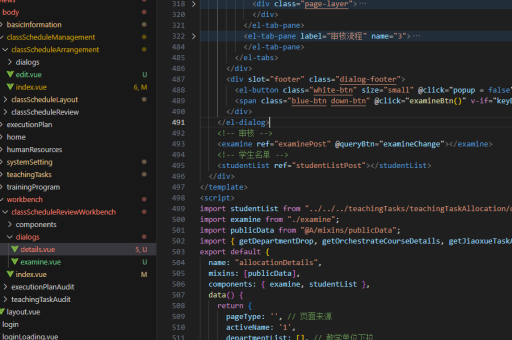
在全局前置守卫中根据条件动态调整布局:
router.beforeEach((to, from, next) => {
  if (to.meta.requiresAuth && !isAuthenticated()) {
    next('/login');
  } else {
    next();
  }
});
6. 过渡动画
为路由切换添加过渡效果:
<router-view v-slot="{ Component }">
  <transition name="fade">
    <component :is="Component" />
  </transition>
</router-view>
7. 滚动行为定制
自定义路由切换时的滚动位置:
const router = createRouter({
  scrollBehavior(to, from, savedPosition) {
    if (savedPosition) {
      return savedPosition;
    } else {
      return { top: 0 };
    }
  }
});
通过以上方法,可以实现从简单到复杂的各种布局需求,同时保持代码的可维护性和扩展性。