vue实现tab刷新
实现 Vue 中 Tab 页签的刷新功能
在 Vue 中实现 Tab 刷新通常需要结合路由和组件状态管理,以下是几种常见方法:
使用 key 强制重新渲染组件
通过修改组件的 key 属性可以强制组件重新渲染,这是最简单直接的方式:
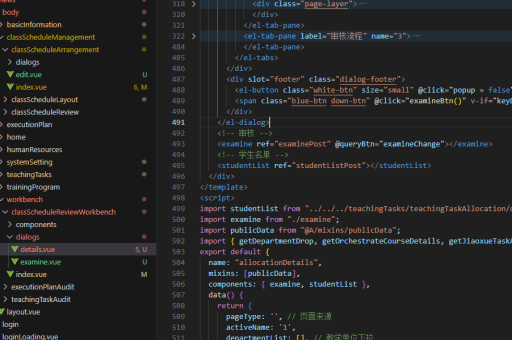
<template>
  <component :is="currentComponent" :key="componentKey" />
  <button @click="refreshComponent">刷新</button>
</template>

<script>
export default {
  data() {
    return {
      componentKey: 0
    }
  },
  methods: {
    refreshComponent() {
      this.componentKey += 1
    }
  }
}
</script>
结合 Vue Router 实现路由级刷新
对于路由视图可以使用相同原理:
<template>
  <router-view :key="$route.fullPath" />
</template>
或者通过编程方式刷新:

methods: {
  refreshTab() {
    this.$router.replace({
      path: '/redirect' + this.$route.fullPath
    }).then(() => {
      this.$router.replace(this.$route.path)
    })
  }
}
使用 provide/inject 实现深层组件刷新
对于嵌套组件可以使用依赖注入模式:
// 父组件
export default {
  provide() {
    return {
      reload: this.reload
    }
  },
  data() {
    return {
      isRouterAlive: true
    }
  },
  methods: {
    reload() {
      this.isRouterAlive = false
      this.$nextTick(() => {
        this.isRouterAlive = true
      })
    }
  }
}

// 子组件
export default {
  inject: ['reload'],
  methods: {
    handleRefresh() {
      this.reload()
    }
  }
}
使用状态管理刷新特定数据
如果只需要刷新数据而非整个组件,可以使用 Vuex:
// store
state: {
  tabData: null
},
mutations: {
  refreshTabData(state) {
    // 获取新数据
    state.tabData = fetchNewData()
  }
}

// 组件
methods: {
  refresh() {
    this.$store.commit('refreshTabData')
  }
}
注意事项
- 频繁强制刷新可能影响性能,应评估必要性
- 对于表单等有用户输入的组件,强制刷新会导致状态丢失
- 路由级刷新会触发导航守卫和组件生命周期
- 考虑添加加载状态提升用户体验
选择哪种方法取决于具体场景和需求复杂度,简单场景使用 key 改变即可,复杂应用可能需要结合路由和状态管理。