vue实现时间屏幕
Vue实现时间屏幕
在Vue中实现时间屏幕可以通过多种方式完成,以下是一个简单的方法,利用Vue的数据绑定和JavaScript的Date对象来动态显示当前时间。
基本实现步骤
创建一个Vue组件,在组件的data中定义一个变量来存储当前时间。使用setInterval函数每秒更新一次时间,确保屏幕上的时间实时变化。

<template>
  <div class="time-screen">
    <h1>{{ currentTime }}</h1>
  </div>
</template>

<script>
export default {
  data() {
    return {
      currentTime: ''
    }
  },
  mounted() {
    this.updateTime();
    setInterval(this.updateTime, 1000);
  },
  methods: {
    updateTime() {
      const now = new Date();
      this.currentTime = now.toLocaleTimeString();
    }
  }
}
</script>

<style>
.time-screen {
  text-align: center;
  margin-top: 20px;
  font-size: 2em;
}
</style>
优化显示格式
如果需要更灵活的时间格式,可以使用Intl.DateTimeFormat或其他库(如moment.js或date-fns)来格式化时间。
updateTime() {
  const now = new Date();
  const options = { hour: '2-digit', minute: '2-digit', second: '2-digit' };
  this.currentTime = new Intl.DateTimeFormat('en-US', options).format(now);
}
添加日期显示
若需要同时显示日期和时间,可以扩展updateTime方法。
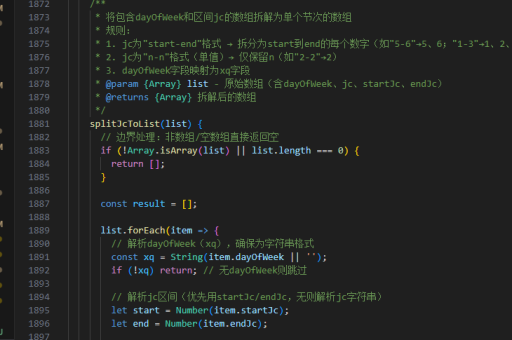
updateTime() {
  const now = new Date();
  const timeOptions = { hour: '2-digit', minute: '2-digit', second: '2-digit' };
  const dateOptions = { weekday: 'long', year: 'numeric', month: 'long', day: 'numeric' };

  this.currentTime = new Intl.DateTimeFormat('en-US', timeOptions).format(now);
  this.currentDate = new Intl.DateTimeFormat('en-US', dateOptions).format(now);
}
使用第三方库
对于更复杂的时间处理,推荐使用moment.js或date-fns。以下是使用date-fns的示例:
import { format } from 'date-fns';

updateTime() {
  const now = new Date();
  this.currentTime = format(now, 'HH:mm:ss');
  this.currentDate = format(now, 'EEEE, MMMM do, yyyy');
}
注意事项
确保在组件销毁时清除定时器,避免内存泄漏。
beforeDestroy() {
  if (this.timer) {
    clearInterval(this.timer);
  }
}
通过以上方法,可以轻松在Vue中实现一个动态更新的时间屏幕。