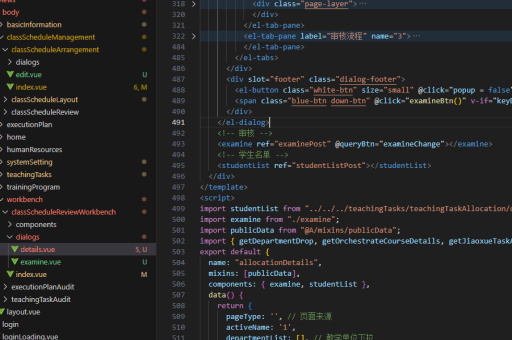
vue 实现模块加载
Vue 实现模块加载的方法
使用动态导入(Dynamic Import)
动态导入是 ECMAScript 模块系统的特性,Vue 项目可以通过 import() 语法实现按需加载模块。这种方式在构建工具(如 Webpack 或 Vite)中会被自动处理为代码分割。
const module = () => import('./path/to/module.vue');在 Vue 路由中,可以结合动态导入实现懒加载:
const routes = [
  {
    path: '/module',
    component: () => import('./views/ModuleView.vue')
  }
];
Vue 异步组件
Vue 提供了 defineAsyncComponent 方法(Vue 3)或直接使用动态导入(Vue 2/3)来定义异步组件,实现模块的延迟加载。
Vue 3 示例:
import { defineAsyncComponent } from 'vue';

const AsyncComponent = defineAsyncComponent(() =>
  import('./components/AsyncComponent.vue')
);
Vue 2 示例:
const AsyncComponent = () => ({
  component: import('./components/AsyncComponent.vue'),
  loading: LoadingComponent,
  error: ErrorComponent,
  delay: 200,
  timeout: 3000
});
Webpack 的魔法注释(Magic Comments)
在使用 Webpack 时,可以通过魔法注释为动态导入的模块命名或分组,优化打包结果:
const module = () => import(/* webpackChunkName: "module-name" */ './module.vue');Vite 的 Glob 导入
Vite 支持通过 import.meta.glob 或 import.meta.globEager 批量导入模块,适合需要动态加载多个文件的场景:
const modules = import.meta.glob('./modules/*.vue');状态管理中的模块加载
在 Vuex 或 Pinia 中,可以通过动态导入实现模块的按需注册:
// Pinia 示例
const useModuleStore = defineStore('module', () => {
  const state = ref({});
  return { state };
});

// 动态注册
const store = useModuleStore();
条件加载模块
根据运行时条件动态加载模块,例如用户权限或设备类型:
const loadModuleConditionally = async () => {
  if (condition) {
    const module = await import('./moduleA.vue');
  } else {
    const module = await import('./moduleB.vue');
  }
};
注意事项
- 动态导入返回的是 Promise,需使用
await或.then()处理。 - 生产环境下需确保构建工具配置支持代码分割。
- 浏览器兼容性需考虑,必要时添加 polyfill。
以上方法可根据具体场景选择组合使用,平衡性能与开发体验。