vue如何实现配音
Vue 实现配音的方法
在 Vue 中实现配音功能通常需要结合音频播放和动态内容展示。以下是几种常见的方法:
使用 HTML5 Audio API
通过 HTML5 的 Audio 对象可以加载并播放音频文件。在 Vue 中,可以在组件中动态控制音频的播放。
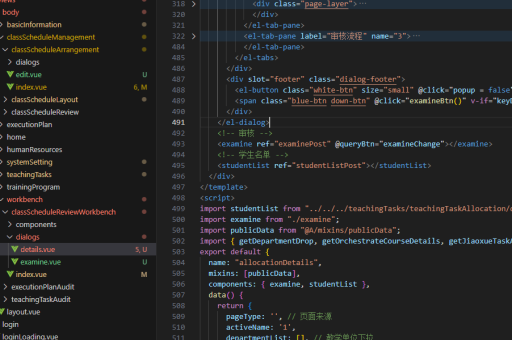
<template>
  <div>
    <button @click="playSound">播放配音</button>
  </div>
</template>

<script>
export default {
  methods: {
    playSound() {
      const audio = new Audio('path/to/audio.mp3');
      audio.play();
    }
  }
}
</script>
结合 Vue 响应式数据
如果需要根据用户操作动态切换配音,可以将音频路径存储在 Vue 的响应式数据中。
<template>
  <div>
    <button @click="playSound('sound1')">播放配音1</button>
    <button @click="playSound('sound2')">播放配音2</button>
  </div>
</template>

<script>
export default {
  data() {
    return {
      sounds: {
        sound1: 'path/to/audio1.mp3',
        sound2: 'path/to/audio2.mp3'
      }
    }
  },
  methods: {
    playSound(soundKey) {
      const audio = new Audio(this.sounds[soundKey]);
      audio.play();
    }
  }
}
</script>
使用第三方音频库
对于更复杂的音频需求,可以使用第三方库如 howler.js,它提供了更强大的音频控制功能。

<template>
  <div>
    <button @click="playSound">播放配音</button>
  </div>
</template>

<script>
import { Howl } from 'howler';

export default {
  methods: {
    playSound() {
      const sound = new Howl({
        src: ['path/to/audio.mp3']
      });
      sound.play();
    }
  }
}
</script>
动态加载音频文件
如果需要从服务器动态加载音频文件,可以使用 axios 或其他 HTTP 客户端获取音频文件路径。
<template>
  <div>
    <button @click="loadAndPlaySound">加载并播放配音</button>
  </div>
</template>

<script>
import axios from 'axios';

export default {
  methods: {
    async loadAndPlaySound() {
      const response = await axios.get('/api/sound-url');
      const audio = new Audio(response.data.url);
      audio.play();
    }
  }
}
</script>
音频播放状态管理
在多人协作或复杂交互场景中,可以使用 Vuex 管理音频播放状态。
<template>
  <div>
    <button @click="toggleSound">播放/暂停</button>
  </div>
</template>

<script>
import { mapState, mapMutations } from 'vuex';

export default {
  computed: {
    ...mapState(['audioPlayer'])
  },
  methods: {
    ...mapMutations(['toggleAudio']),
    toggleSound() {
      this.toggleAudio();
      if (this.audioPlayer.isPlaying) {
        this.audioPlayer.audio.play();
      } else {
        this.audioPlayer.audio.pause();
      }
    }
  }
}
</script>
以上方法可以根据具体需求选择使用,灵活实现 Vue 中的配音功能。