vue router实现原理
Vue Router 的实现原理
Vue Router 是 Vue.js 官方提供的路由管理器,其核心原理基于前端路由的实现方式,主要包括路由匹配、组件渲染和导航守卫等功能。
路由模式
Vue Router 支持两种路由模式:hash 模式和 history 模式。
Hash 模式
通过监听 window.onhashchange 事件实现路由切换。URL 中的 # 符号及后面的部分不会发送到服务器,仅由前端处理。
示例 URL:http://example.com/#/home
History 模式
基于 HTML5 History API(pushState 和 replaceState),允许修改 URL 而不刷新页面。需要服务器配置支持,避免直接访问子路由时返回 404。
示例 URL:http://example.com/home
路由匹配
Vue Router 通过路由配置表(routes 数组)匹配当前 URL 路径,找到对应的组件。匹配过程基于路径解析和动态参数(如 :id)。
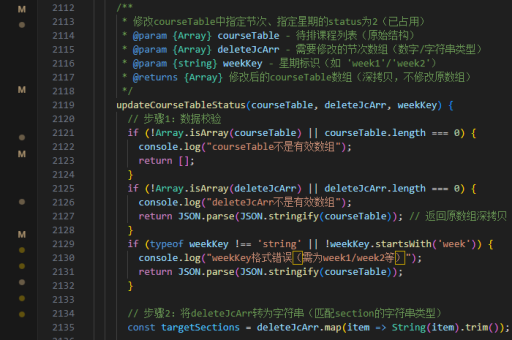
const routes = [
  { path: '/home', component: Home },
  { path: '/user/:id', component: User }
];
组件渲染
匹配到路由后,Vue Router 通过 <router-view> 动态渲染对应的组件。<router-view> 是一个函数式组件,根据当前路由的 matched 数组决定渲染层级。
导航守卫
导航守卫用于控制路由跳转的权限和逻辑,包括全局守卫、路由独享守卫和组件内守卫。
- 全局守卫:如
router.beforeEach,在每次导航前执行。 - 路由独享守卫:在路由配置中定义
beforeEnter。 - 组件内守卫:如
beforeRouteEnter、beforeRouteUpdate。
router.beforeEach((to, from, next) => {
  if (to.meta.requiresAuth && !isAuthenticated) {
    next('/login');
  } else {
    next();
  }
});
响应式原理
Vue Router 通过 Vue 的响应式系统跟踪当前路由状态。路由对象(如 $route)是响应式的,路由变化时会触发组件更新。

核心实现代码片段
以下是简化版的路由器核心逻辑:
class VueRouter {
  constructor(options) {
    this.routes = options.routes;
    this.mode = options.mode || 'hash';
    this.current = { path: '/' };

    if (this.mode === 'hash') {
      window.addEventListener('hashchange', this.handleHashChange.bind(this));
    } else {
      window.addEventListener('popstate', this.handlePopState.bind(this));
    }
  }

  handleHashChange() {
    this.current.path = window.location.hash.slice(1) || '/';
  }

  handlePopState() {
    this.current.path = window.location.pathname;
  }

  push(path) {
    if (this.mode === 'hash') {
      window.location.hash = path;
    } else {
      window.history.pushState({}, '', path);
    }
  }
}
动态路由
动态路由通过 addRoute 方法实现,允许运行时添加路由配置。
示例:
router.addRoute({ path: '/new', component: NewComponent });懒加载
路由懒加载通过动态导入(import())实现,减少初始加载体积。
示例:
const User = () => import('./views/User.vue');通过以上机制,Vue Router 实现了高效的路由管理和组件渲染,支持复杂的单页应用(SPA)开发需求。