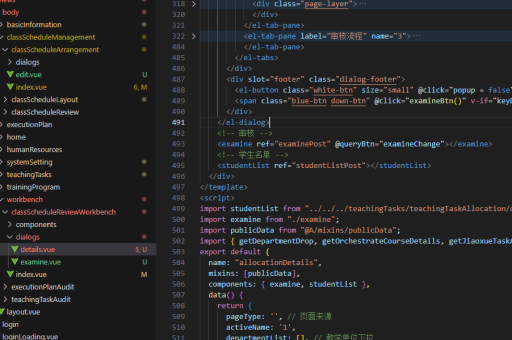
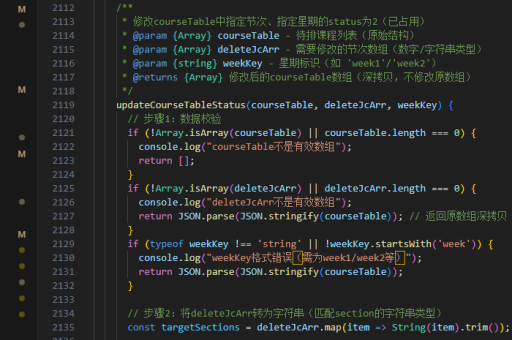
vue框架怎么实现
Vue框架实现步骤
安装Vue.js
通过npm或CDN引入Vue.js。npm安装命令:npm install vue。CDN引入方式:<script src="https://cdn.jsdelivr.net/npm/vue@2.6.14/dist/vue.js"></script>。
创建Vue实例
使用new Vue()创建Vue实例,指定挂载元素和数据对象。
new Vue({
  el: '#app',
  data: {
    message: 'Hello Vue!'
  }
})
模板语法
在HTML中使用双大括号插值和指令绑定数据。
<div id="app">
  {{ message }}
  <button v-on:click="reverseMessage">Reverse Message</button>
</div>
组件开发
通过Vue.component注册全局组件或在单文件组件中定义局部组件。
Vue.component('todo-item', {
  props: ['todo'],
  template: '<li>{{ todo.text }}</li>'
})
状态管理
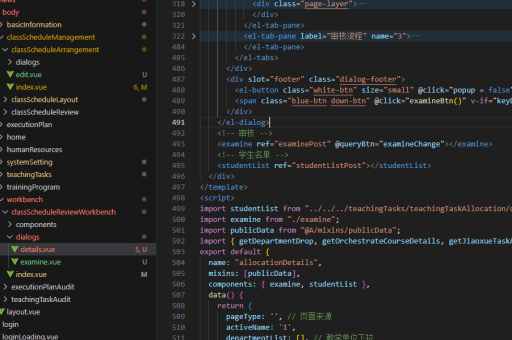
对于复杂应用,使用Vuex进行集中式状态管理。安装Vuex后创建store实例。
const store = new Vuex.Store({
  state: {
    count: 0
  },
  mutations: {
    increment (state) {
      state.count++
    }
  }
})
路由配置
通过Vue Router实现单页面应用路由。定义路由表并挂载到Vue实例。
const router = new VueRouter({
  routes: [
    { path: '/', component: Home },
    { path: '/about', component: About }
  ]
})
关键概念
数据绑定
Vue使用双向数据绑定,通过v-model指令实现表单输入和应用状态同步。
<input v-model="message">计算属性
使用computed定义依赖其他属性的计算值,具有缓存特性。

computed: {
  reversedMessage: function () {
    return this.message.split('').reverse().join('')
  }
}
生命周期钩子
Vue实例提供created、mounted等生命周期钩子,用于在不同阶段执行自定义逻辑。
created: function () {
  console.log('Instance created')
}
进阶用法
自定义指令
通过Vue.directive注册全局自定义指令,扩展HTML功能。
Vue.directive('focus', {
  inserted: function (el) {
    el.focus()
  }
})
混入(Mixins)
使用混入分发可复用的功能,可以包含任意组件选项。
const myMixin = {
  created: function () {
    this.hello()
  },
  methods: {
    hello: function () {
      console.log('hello from mixin!')
    }
  }
}
插件开发
通过install方法开发Vue插件,添加全局功能。
MyPlugin.install = function (Vue, options) {
  Vue.prototype.$myMethod = function (methodOptions) {
    // 逻辑...
  }
}