vue路由实现原理
Vue 路由实现原理
Vue Router 是 Vue.js 的官方路由管理器,其核心原理基于前端路由的实现机制,主要包括 Hash 模式和 History 模式两种方式。
Hash 模式
Hash 模式利用 URL 中的 hash(#)部分实现路由切换。由于 hash 变化不会导致页面刷新,因此可以通过监听 hashchange 事件来实现前端路由。
window.addEventListener('hashchange', () => {
  const currentPath = window.location.hash.slice(1) || '/';
  // 根据 currentPath 匹配路由并渲染组件
});
Hash 模式的优点在于兼容性好,支持所有浏览器。缺点是 URL 中带有 #,不够美观。
History 模式
History 模式基于 HTML5 的 history.pushState 和 history.replaceState API,通过修改 URL 的路径部分实现路由切换,无需刷新页面。
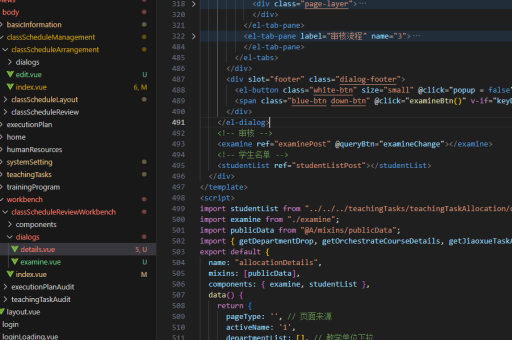
window.addEventListener('popstate', () => {
  const currentPath = window.location.pathname;
  // 根据 currentPath 匹配路由并渲染组件
});
History 模式需要服务器支持,以避免直接访问子路由时返回 404 错误。通常需要在服务器配置中将所有请求重定向到入口文件(如 index.html)。
路由匹配与组件渲染
Vue Router 的核心功能包括路由匹配和动态渲染组件。其实现主要包括以下步骤:

- 路由表解析:将用户定义的路由配置(如
routes数组)转换为内部的路由映射表。 - 路径匹配:根据当前 URL 路径,通过路由映射表找到对应的路由记录。
- 组件渲染:通过
<router-view>动态渲染匹配到的组件。
响应式原理
Vue Router 通过 Vue 的响应式系统实现路由与视图的同步。核心是通过一个响应式的 currentRoute 对象,当路由变化时触发视图更新。
const reactiveRoute = Vue.observable({
  path: '/',
  params: {},
  query: {}
});

// 路由变化时更新 reactiveRoute
function updateRoute() {
  reactiveRoute.path = currentPath;
  // 更新 params 和 query
}
导航守卫
导航守卫是 Vue Router 的重要特性,允许在路由切换前后执行钩子函数。其实现基于 Promise 链式调用,确保钩子函数按顺序执行。
function runQueue(queue, fn, cb) {
  const step = index => {
    if (index >= queue.length) return cb();
    fn(queue[index], () => step(index + 1));
  };
  step(0);
}
动态路由
动态路由通过路由参数(如 /user/:id)实现,Vue Router 内部使用路径解析库(如 path-to-regexp)将路径转换为正则表达式,用于匹配动态参数。
const regex = pathToRegexp('/user/:id');
const match = regex.exec('/user/123');
// match.params => { id: '123' }
总结
Vue Router 的核心原理是通过监听 URL 变化,匹配路由配置,并动态渲染组件。其实现依赖于浏览器 API(Hash 或 History 模式)、Vue 的响应式系统以及路由解析算法。