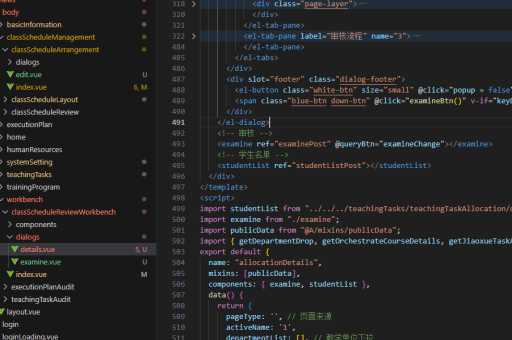
vue 实现的项目
Vue 项目实现的关键步骤
项目初始化与配置
使用 Vue CLI 或 Vite 创建项目基础结构。Vue CLI 提供标准化模板,适合快速搭建;Vite 则更轻量,适合现代浏览器环境。安装依赖时需明确是否需要 Vuex(状态管理)、Vue Router(路由)等核心插件。
组件化开发
遵循单一职责原则拆分组件,通过.vue文件组织模板、脚本和样式。父组件通过props传递数据,子组件通过$emit触发事件。动态组件可通过<component :is>实现。
路由管理
使用 Vue Router 定义路由表,通过<router-link>导航,<router-view>渲染匹配组件。嵌套路由需配置children字段,路由守卫(如beforeEach)处理权限控制。
状态管理
复杂项目推荐使用 Pinia(或 Vuex)。定义 Store 集中管理状态,通过mapState、mapActions等辅助函数连接组件。模块化拆分 Store 以保持可维护性。
API 交互
通过 Axios 封装 HTTP 请求,结合拦截器统一处理错误和 token 注入。异步数据建议在路由守卫或组件的setup()中获取,使用async/await优化逻辑。

代码示例与最佳实践
组件通信
父组件传递数据并监听子事件:
<template>
  <ChildComponent :msg="parentMsg" @update="handleUpdate" />
</template>
<script setup>
const parentMsg = ref('Hello');
const handleUpdate = (value) => { console.log(value); };
</script>
状态管理(Pinia)
定义 Store 并在组件中使用:
// stores/counter.js
export const useCounterStore = defineStore('counter', {
  state: () => ({ count: 0 }),
  actions: {
    increment() { this.count++; }
  }
});
<script setup>
import { useCounterStore } from '@/stores/counter';
const counter = useCounterStore();
</script>
<template>
<button @click="counter.increment">{{ counter.count }}</button>
</template>路由懒加载
提升首屏性能:

const routes = [
  { path: '/home', component: () => import('./views/Home.vue') }
];
常见优化策略
性能优化
- 使用
v-once或v-memo减少静态内容重渲染 - 路由懒加载拆分代码块
- 第三方库按需引入(如 Lodash 的
import { debounce } from 'lodash-es')
安全实践
- 对用户输入使用
v-sanitize防 XSS - 敏感路由通过
meta: { requiresAuth: true }限制访问 - API 请求启用 CORS 和 CSRF 防护
部署配置
- 生产环境构建时启用压缩(如
vite-plugin-compression) - 静态资源使用 CDN 加速
- 配置 Nginx/Apache 处理 SPA 路由回退(
try_files)
通过以上方法可构建结构清晰、可维护的 Vue 项目。实际开发中需结合具体需求调整技术选型,如是否需要 SSR(Nuxt.js)或移动端适配(Vant 组件库)。