实现vue模板解析
Vue 模板解析的基本原理
Vue 的模板解析是将模板字符串转换为渲染函数的过程。核心是通过编译器将模板转换为抽象语法树(AST),再生成可执行的渲染代码。
模板解析流程
词法分析 将模板字符串分解为有意义的标记(tokens),如标签、属性、文本等。这一阶段识别出模板中的各种语法结构。
语法分析 根据词法分析得到的标记构建抽象语法树(AST)。AST 是模板结构的树状表示,包含元素节点、文本节点、表达式节点等。
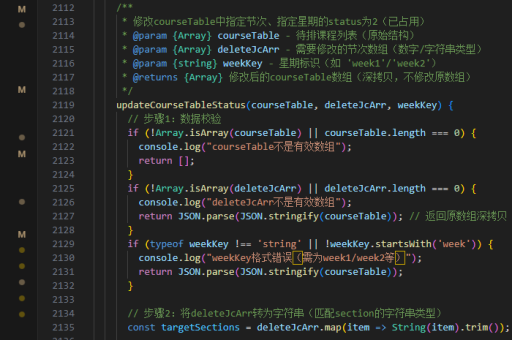
优化阶段 对 AST 进行静态分析,标记静态节点。这些节点在后续更新中可以跳过比对,提升性能。
代码生成
将优化后的 AST 转换为渲染函数代码。生成的代码通常是包含 _c(创建元素)、_v(创建文本)等帮助函数的字符串。

实现简单模板解析器
以下是一个简化版的模板解析器实现思路:
// 词法分析器
function tokenize(template) {
  const tokens = [];
  let index = 0;
  let text = '';

  while (index < template.length) {
    let char = template[index];

    // 处理开始标签
    if (char === '<') {
      if (text) {
        tokens.push({ type: 'text', value: text });
        text = '';
      }

      const tagMatch = template.slice(index).match(/^<(\w+)/);
      if (tagMatch) {
        tokens.push({ type: 'tag-start', value: tagMatch[1] });
        index += tagMatch[0].length;
        continue;
      }
    }

    // 处理结束标签
    else if (char === '>' && template[index-1] === '/') {
      tokens.push({ type: 'tag-end' });
      index++;
      continue;
    }

    text += char;
    index++;
  }

  return tokens;
}
AST 生成示例
function parse(template) {
  const tokens = tokenize(template);
  const root = { type: 'root', children: [] };
  const stack = [root];

  tokens.forEach(token => {
    const parent = stack[stack.length-1];

    if (token.type === 'tag-start') {
      const node = {
        type: 'element',
        tag: token.value,
        children: []
      };
      parent.children.push(node);
      stack.push(node);
    }
    else if (token.type === 'tag-end') {
      stack.pop();
    }
    else if (token.type === 'text') {
      parent.children.push({
        type: 'text',
        content: token.value
      });
    }
  });

  return root;
}
代码生成示例
function generate(ast) {
  const code = `with(this){return ${genNode(ast)}}`;
  return new Function(code);
}

function genNode(node) {
  if (node.type === 'element') {
    const children = node.children.map(genNode).join(',');
    return `_c('${node.tag}',[${children}])`;
  }
  if (node.type === 'text') {
    return `_v('${node.content}')`;
  }
}
实际应用中的优化
Vue 的实际编译器更复杂,处理了更多场景:
- 指令解析(v-if, v-for 等)
- 过滤器处理
- 事件绑定
- 插槽内容
- 静态节点提升
运行时版本 Vue 不包含模板编译器,需要预先编译模板。完整版 Vue 包含编译器,可以在运行时编译模板字符串。