vue实现页面定位
Vue 实现页面定位的方法
使用 scrollIntoView 方法
通过 JavaScript 的 scrollIntoView 方法可以实现平滑滚动到指定元素位置。在 Vue 中,可以通过 ref 获取目标元素并调用该方法。
<template>
  <div>
    <button @click="scrollToElement">滚动到目标</button>
    <div ref="targetElement">目标内容</div>
  </div>
</template>

<script>
export default {
  methods: {
    scrollToElement() {
      this.$refs.targetElement.scrollIntoView({ behavior: 'smooth' });
    }
  }
};
</script>
使用 Vue Router 的锚点导航
如果页面路由由 Vue Router 管理,可以通过 router.push 结合 hash 实现锚点跳转。
<template>
  <div>
    <button @click="scrollToAnchor('#section')">跳转到锚点</button>
    <div id="section">目标区域</div>
  </div>
</template>

<script>
export default {
  methods: {
    scrollToAnchor(anchor) {
      this.$router.push(anchor);
    }
  }
};
</script>
使用第三方库 vue-scrollto
vue-scrollto 是一个专门为 Vue 设计的平滑滚动插件,支持更丰富的配置选项。
安装:
npm install vue-scrollto使用:
<template>
  <div>
    <button v-scroll-to="'#section'">平滑滚动</button>
    <div id="section">目标区域</div>
  </div>
</template>

<script>
import VueScrollTo from 'vue-scrollto';

export default {
  directives: {
    'scroll-to': VueScrollTo
  }
};
</script>
监听滚动事件实现动态定位
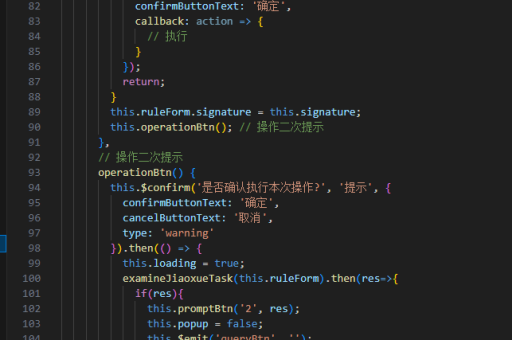
通过监听滚动事件,动态计算目标元素位置并调整滚动行为。
<template>
  <div @scroll="handleScroll" ref="scrollContainer">
    <div ref="targetElement">目标内容</div>
  </div>
</template>

<script>
export default {
  methods: {
    handleScroll() {
      const target = this.$refs.targetElement;
      const container = this.$refs.scrollContainer;
      if (target && container) {
        const offset = target.offsetTop - container.scrollTop;
        if (offset < 100) {
          container.scrollTo({ top: target.offsetTop, behavior: 'smooth' });
        }
      }
    }
  }
};
</script>
注意事项
- 平滑滚动需浏览器支持
behavior: 'smooth',若不支持需引入 polyfill。 - 使用
ref时确保元素已渲染完成,避免在mounted生命周期前调用。 - 动态内容需在数据加载完成后触发定位逻辑。