php如何实现静态化
PHP 实现静态化的方法
使用文件缓存生成静态页面
通过 PHP 将动态内容输出到静态文件(如 HTML),后续请求直接读取静态文件。
$staticFile = 'cache/page.html';
if (!file_exists($staticFile)) {
    ob_start();
    // 动态内容生成逻辑
    echo "<h1>动态生成的内容</h1>";
    $content = ob_get_clean();
    file_put_contents($staticFile, $content);
}
readfile($staticFile);
通过 URL 重写实现伪静态
利用 Apache/Nginx 的 Rewrite 规则,将动态 URL 伪装成静态路径。
Apache 示例 (.htaccess):
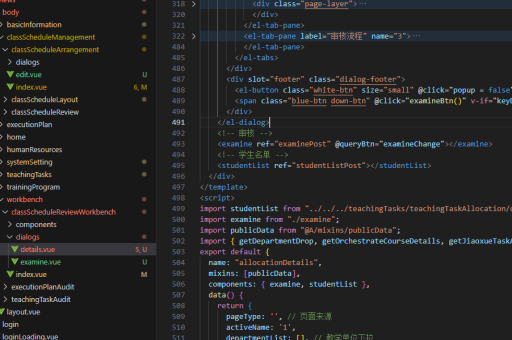
RewriteEngine On
RewriteRule ^article/([0-9]+).html$ article.php?id=$1 [L]
Nginx 示例:
location /article/ {
    rewrite ^/article/([0-9]+).html$ /article.php?id=$1;
}
使用模板引擎预编译
通过 Smarty、Twig 等模板引擎预编译功能生成静态内容。

Smarty 示例:
require_once('smarty/Smarty.class.php');
$smarty = new Smarty();
$smarty->compile_check = false; // 关闭编译检查
$smarty->force_compile = false; // 禁止强制编译
$smarty->caching = true; // 开启缓存
$smarty->display('template.tpl');
定时任务生成静态页
通过 Cron 定时调用 PHP 脚本批量生成静态文件。
// generate_static.php
$pages = ['home', 'about', 'contact'];
foreach ($pages as $page) {
    $content = file_get_contents("http://example.com/dynamic.php?page=$page");
    file_put_contents("static/$page.html", $content);
}
数据库驱动静态化
将动态内容存储在数据库,通过唯一标识符(如 MD5)缓存静态文件。
$sql = "SELECT content FROM articles WHERE id = 1";
$result = $db->query($sql);
$cacheKey = md5($sql);
$cacheFile = "cache/{$cacheKey}.html";

if (!file_exists($cacheFile)) {
    $content = $result->fetch_assoc()['content'];
    file_put_contents($cacheFile, $content);
}
echo file_get_contents($cacheFile);
注意事项
- 静态文件存储目录需设置可写权限(755 或 777)
- 内容更新时需要清除对应缓存文件
- 对频繁变更的数据需设置合理的缓存过期时间
- 伪静态需服务器支持 Rewrite 模块
以上方法可根据实际需求组合使用,例如:高频访问页面使用文件缓存,低频页面通过 URL 重写实现伪静态。