css制作锁屏页面
使用CSS制作锁屏页面
锁屏页面通常需要全屏覆盖、居中内容以及可能的模糊背景效果。以下是一个简单的实现方法:
HTML结构
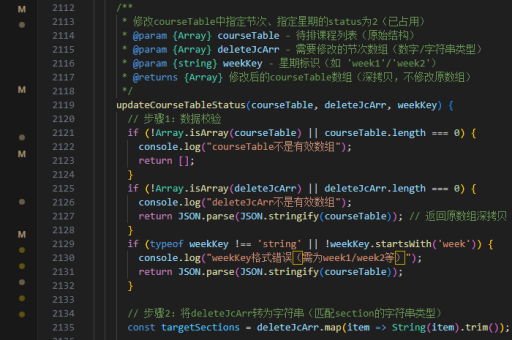
<div class="lock-screen">
  <div class="lock-content">
    <h1>设备已锁定</h1>
    <input type="password" placeholder="输入密码">
    <button>解锁</button>
  </div>
</div>
CSS样式
.lock-screen {
  position: fixed;
  top: 0;
  left: 0;
  width: 100%;
  height: 100%;
  background-color: rgba(0, 0, 0, 0.8);
  backdrop-filter: blur(5px);
  display: flex;
  justify-content: center;
  align-items: center;
  z-index: 9999;
}

.lock-content {
  text-align: center;
  color: white;
  padding: 2rem;
  background: rgba(255, 255, 255, 0.1);
  border-radius: 10px;
  max-width: 400px;
}

.lock-content input {
  padding: 0.5rem;
  margin: 1rem 0;
  width: 100%;
  border: none;
  border-radius: 4px;
}

.lock-content button {
  padding: 0.5rem 1rem;
  background: #4285f4;
  color: white;
  border: none;
  border-radius: 4px;
  cursor: pointer;
}
添加动画效果
可以为锁屏页面添加淡入效果:
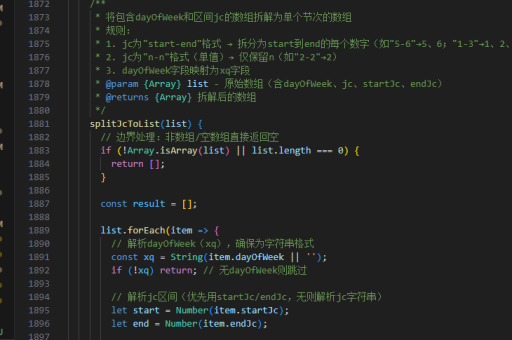
.lock-screen {
  animation: fadeIn 0.3s ease-out;
}

@keyframes fadeIn {
  from { opacity: 0; }
  to { opacity: 1; }
}
响应式设计
确保在不同设备上都能正常显示:
@media (max-width: 600px) {
  .lock-content {
    width: 90%;
    padding: 1rem;
  }
}
高级功能实现
如果需要更复杂的功能,可以结合JavaScript:
document.querySelector('.lock-content button').addEventListener('click', function() {
  const password = document.querySelector('.lock-content input').value;
  if(password === '1234') { // 示例密码
    document.querySelector('.lock-screen').style.display = 'none';
  }
});
注意事项
- 使用
position: fixed确保锁屏覆盖整个视口 z-index值要足够高,确保覆盖其他元素- 实际应用中密码验证应该更安全
- 考虑添加触摸事件支持移动设备
- 可以添加锁屏超时自动隐藏功能