vue sync的实现原理
Vue sync 的实现原理
Vue 的 .sync 修饰符是一种语法糖,用于简化父子组件之间的双向数据绑定。它的实现原理主要基于 Vue 的事件系统和 v-bind 指令。
基本语法
在父组件中,使用 .sync 修饰符可以简化双向绑定的写法:

<child-component :value.sync="parentValue"></child-component>等价于:
<child-component :value="parentValue" @update:value="parentValue = $event"></child-component>实现机制
- 父组件通过
v-bind将数据传递给子组件,同时监听一个特定格式的事件(update:propName)。 - 子组件通过
$emit触发update:propName事件,并传递新值。 - 父组件接收到事件后,更新绑定的数据。
代码示例
子组件的实现:
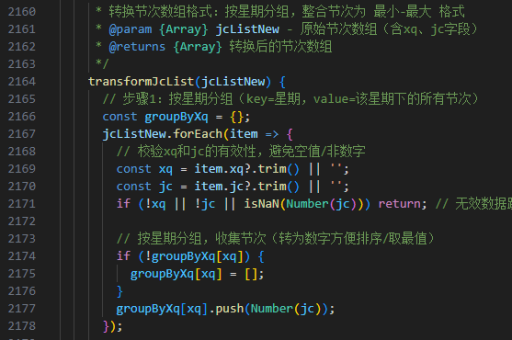
export default {
  props: ['value'],
  methods: {
    updateValue(newValue) {
      this.$emit('update:value', newValue);
    }
  }
}
底层原理
Vue 在编译模板时,会将 .sync 修饰符转换为标准的 v-bind 和 v-on 指令。例如:
<child-component :value.sync="parentValue"></child-component>会被编译为:
<child-component
  :value="parentValue"
  @update:value="val => parentValue = val"
></child-component>
注意事项
.sync修饰符在 Vue 2.x 中主要用于简化双向绑定,但在 Vue 3.x 中已被v-model的增强功能取代。- 使用
.sync时,子组件必须显式触发update:propName事件才能更新父组件的数据。