vue实现聊天界面
Vue 实现聊天界面的核心步骤
界面布局设计
使用Vue的单文件组件结构,将聊天界面拆分为ChatContainer(容器)、MessageList(消息列表)和MessageInput(输入框)组件。采用Flexbox布局实现自适应高度,消息列表区域需设置overflow-y: auto实现滚动。
<template>
  <div class="chat-container">
    <div class="message-list" ref="messageList">
      <message-item v-for="msg in messages" :key="msg.id" :message="msg"/>
    </div>
    <message-input @send="handleSend"/>
  </div>
</template>
实时消息处理
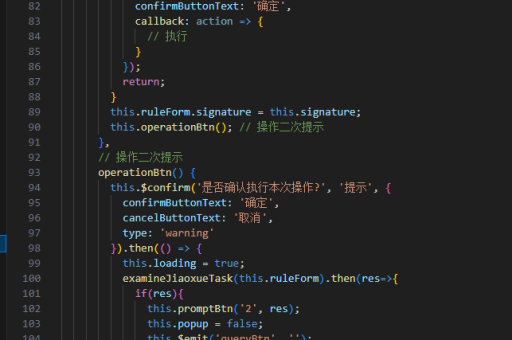
通过WebSocket或Socket.io实现实时通信,在Vue的created生命周期中建立连接。使用Vuex或Composition API管理消息状态,确保消息列表响应式更新。
// Composition API示例
import { ref, onMounted } from 'vue'
import io from 'socket.io-client'

export default {
  setup() {
    const messages = ref([])
    const socket = io('http://your-socket-server')

    onMounted(() => {
      socket.on('new_message', (msg) => {
        messages.value.push(msg)
        scrollToBottom()
      })
    })

    return { messages }
  }
}
自动滚动优化
在消息列表更新后自动滚动到底部,通过nextTick确保DOM更新完成。需在父组件中暴露滚动方法,子组件通过ref调用。

const scrollToBottom = () => {
  nextTick(() => {
    const container = messageList.value
    container.scrollTop = container.scrollHeight
  })
}
消息气泡样式
采用CSS Flexbox实现左右对齐区分发送/接收消息,使用v-bind:class动态绑定样式类。建议添加消息发送时间戳和已读状态标记。
.message-bubble {
  max-width: 70%;
  padding: 8px 12px;
  border-radius: 18px;
}

.sent {
  align-self: flex-end;
  background-color: #0084ff;
  color: white;
}

.received {
  align-self: flex-start;
  background-color: #f1f0f0;
}
输入框功能增强
实现文本输入、表情选择(使用picker库)、图片上传(通过<input type="file">)和消息发送的防抖处理。建议添加@keyup.enter监听和发送按钮的双重触发方式。
<textarea
  v-model="inputText"
  @keyup.enter.prevent="handleSend"
  placeholder="Type a message..."/>
性能优化建议
- 对于大量消息采用虚拟滚动(如
vue-virtual-scroller) - 使用
shallowRef减少非必要响应式数据开销 - 实现消息分页加载,监听滚动位置触发历史消息请求
- 添加消息本地缓存(localStorage或IndexedDB)
移动端适配要点
- 添加
viewportmeta标签 - 输入框获得焦点时自动调整页面布局(通过监听
resize事件) - 实现软键盘弹出时的底部定位修正
- 添加发送按钮的触觉反馈(Vibrate API)
完整实现可参考Vue官方示例或开源项目如vue-chat-scroll、vue-advanced-chat等组件库。实际开发中需根据具体业务需求调整消息协议、认证机制和错误处理逻辑。