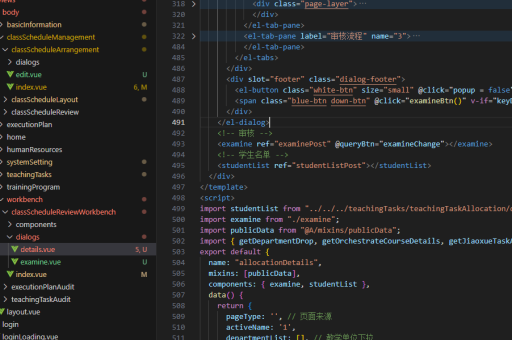
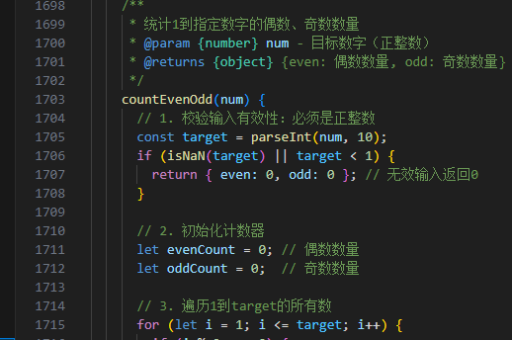
使用vue前端实现的系统vue
Vue 前端系统实现方法
使用 Vue 前端框架构建系统需要掌握核心概念和工具链。以下为关键实现步骤:
环境配置与项目初始化
安装 Node.js 和 npm/yarn,使用 Vue CLI 或 Vite 创建项目。Vue CLI 提供标准化模板,Vite 适合追求快速构建的场景。命令示例:
npm create vue@latest my-project组件化开发
Vue 采用单文件组件(SFC)结构,包含 <template>、<script> 和 <style> 三个部分。组件通过 props 接收父组件数据,通过 $emit 触发事件通信。
状态管理
小型应用可使用 reactive 或 ref 管理状态。复杂系统建议采用 Pinia(推荐)或 Vuex,集中管理跨组件共享状态。Pinia 示例:
// store/counter.js
export const useCounterStore = defineStore('counter', {
  state: () => ({ count: 0 }),
  actions: {
    increment() { this.count++ }
  }
})
路由配置
通过 Vue Router 实现 SPA 路由跳转。需定义路由表并挂载到根实例:
const routes = [
  { path: '/', component: Home },
  { path: '/about', component: About }
]
const router = createRouter({ history: createWebHistory(), routes })
app.use(router)
API 交互
使用 Axios 或 Fetch 进行 HTTP 请求。建议封装全局拦截器处理错误和权限:
axios.interceptors.response.use(
  response => response.data,
  error => Promise.reject(error)
)
UI 库集成
Element Plus、Ant Design Vue 或 Vuetify 可加速界面开发。按需引入避免体积膨胀:
import { ElButton } from 'element-plus'
app.component(ElButton.name, ElButton)
构建与部署
运行 npm run build 生成静态文件,部署到 Nginx 或 CDN。配置生产环境变量需使用 .env.production 文件。
性能优化技巧
代码分割
通过动态导入实现路由懒加载,减少首屏加载时间:
const About = () => import('./views/About.vue')缓存策略
利用 keep-alive 缓存组件状态,避免重复渲染:
<keep-alive>
  <component :is="currentTab"></component>
</keep-alive>
静态资源处理
图片使用 WebP 格式,通过 v-lazy 实现懒加载。配置 Webpack 或 Vite 压缩代码并生成 hash 文件名。
调试与测试
开发工具
安装 Vue Devtools 浏览器插件,可直观检查组件树和状态变化。
单元测试
使用 Vitest 或 Jest 配合 Testing Library 编写测试用例:
test('increments counter', async () => {
  const wrapper = mount(Counter)
  await wrapper.find('button').trigger('click')
  expect(wrapper.text()).toContain('1')
})
TypeScript 支持
通过 defineComponent 声明类型,提升代码健壮性:
interface Props {
  msg: string
}
export default defineComponent({
  props: { msg: { type: String, required: true } }
})
遵循以上方法可构建高效、可维护的 Vue 前端系统。实际开发中需根据项目规模选择合适的架构模式和技术组合。