vue中实现异步
异步操作的必要性
在Vue中,异步操作常用于处理API请求、定时任务或文件读取等非阻塞任务,避免界面卡顿并提升用户体验。
使用Promise处理异步
通过Promise封装异步逻辑,结合then/catch或async/await语法简化代码:
methods: {
  fetchData() {
    return new Promise((resolve, reject) => {
      setTimeout(() => {
        resolve('Data loaded');
      }, 1000);
    });
  },
  async loadData() {
    try {
      const data = await this.fetchData();
      console.log(data); // 输出: Data loaded
    } catch (error) {
      console.error(error);
    }
  }
}
结合Vue生命周期调用异步
在created或mounted钩子中调用异步方法,确保DOM就绪后处理数据:
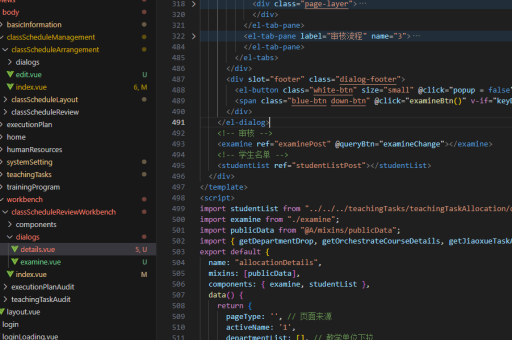
created() {
  this.loadData(); // 初始化时加载数据
}
使用Axios进行HTTP请求
通过Axios库发送异步HTTP请求,处理API响应:
import axios from 'axios';

methods: {
  async fetchUser() {
    try {
      const response = await axios.get('/api/user');
      this.user = response.data;
    } catch (error) {
      console.error('请求失败:', error);
    }
  }
}
处理异步组件加载
使用动态导入实现路由或组件的懒加载,提升应用性能:

const AsyncComponent = () => import('./AsyncComponent.vue');

// 路由配置示例
const router = new VueRouter({
  routes: [{ path: '/async', component: AsyncComponent }]
});
状态管理中的异步操作
在Vuex中通过actions处理异步逻辑,再通过mutations更新状态:
const store = new Vuex.Store({
  actions: {
    async fetchData({ commit }) {
      const data = await axios.get('/api/data');
      commit('SET_DATA', data);
    }
  },
  mutations: {
    SET_DATA(state, data) {
      state.data = data;
    }
  }
});
错误处理与加载状态
在组件中跟踪异步操作状态,显示加载指示或错误信息:
data() {
  return {
    isLoading: false,
    error: null
  };
},
methods: {
  async fetchData() {
    this.isLoading = true;
    try {
      await this.$store.dispatch('fetchData');
    } catch (err) {
      this.error = err.message;
    } finally {
      this.isLoading = false;
    }
  }
}
注意事项
- 避免在
data中直接存储Promise对象,应处理完成后赋值。 - 使用
async/await时,确保外层函数标记为async。 - 在组件销毁时取消未完成的异步任务(如Axios的CancelToken)。