vue实现动态表头
动态表头的实现方法
在Vue中实现动态表头通常涉及以下方法:
使用v-for动态渲染表头
通过数据驱动的方式动态生成表头,适用于表头内容可能变化的场景:
<template>
  <table>
    <thead>
      <tr>
        <th v-for="(header, index) in headers" :key="index">
          {{ header.text }}
        </th>
      </tr>
    </thead>
    <tbody>
      <!-- 表格内容 -->
    </tbody>
  </table>
</template>

<script>
export default {
  data() {
    return {
      headers: [
        { text: '姓名', value: 'name' },
        { text: '年龄', value: 'age' },
        { text: '地址', value: 'address' }
      ]
    }
  }
}
</script>
结合Element UI等组件库实现
当使用UI组件库时,可以更便捷地实现动态表头:

<template>
  <el-table :data="tableData">
    <el-table-column
      v-for="header in headers"
      :key="header.value"
      :prop="header.value"
      :label="header.text">
    </el-table-column>
  </el-table>
</template>
支持表头自定义渲染
对于需要复杂表头的情况,可以使用作用域插槽:
<template>
  <el-table :data="tableData">
    <el-table-column
      v-for="header in headers"
      :key="header.value"
      :prop="header.value"
      :label="header.text">
      <template #header="scope">
        <div class="custom-header">
          {{ header.text }}
          <el-tooltip v-if="header.tooltip" :content="header.tooltip">
            <el-icon><QuestionFilled /></el-icon>
          </el-tooltip>
        </div>
      </template>
    </el-table-column>
  </el-table>
</template>
响应式表头更新
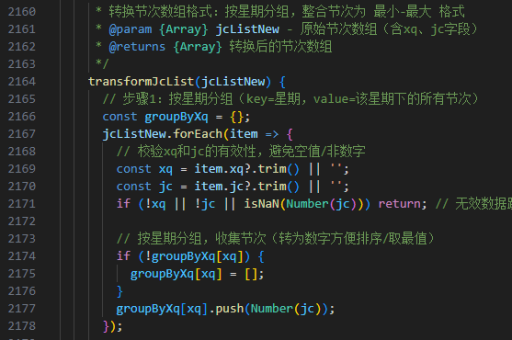
当表头需要根据条件变化时,可以使用计算属性或监听器:
computed: {
  dynamicHeaders() {
    return this.showExtraColumns
      ? [...this.headers, ...this.extraHeaders]
      : this.headers
  }
}
多级表头实现
对于复杂表结构,可以嵌套使用动态渲染:
<el-table :data="tableData">
  <el-table-column
    v-for="group in headerGroups"
    :key="group.label"
    :label="group.label">
    <el-table-column
      v-for="header in group.children"
      :key="header.value"
      :prop="header.value"
      :label="header.text">
    </el-table-column>
  </el-table-column>
</el-table>
注意事项
- 始终为动态渲染的元素提供唯一的key值
- 复杂表头建议拆分为多个组件提高可维护性
- 考虑表头宽度自适应或固定宽度的需求
- 表头排序、筛选等功能需要额外逻辑支持