vue实现元素定位
实现元素定位的方法
在Vue中实现元素定位可以通过多种方式完成,以下是几种常见的方法:
使用ref属性获取DOM元素
在Vue模板中为元素添加ref属性,通过this.$refs访问对应的DOM节点。这种方法适用于需要直接操作DOM的场景。
<template>
  <div ref="myElement">需要定位的元素</div>
</template>

<script>
export default {
  mounted() {
    const element = this.$refs.myElement
    console.log(element.getBoundingClientRect()) // 获取元素位置信息
  }
}
</script>
通过事件对象获取触发元素
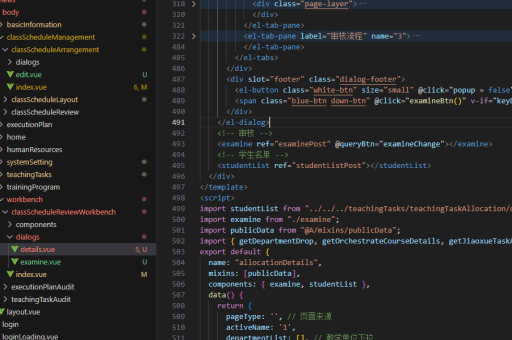
在事件处理函数中,可以通过事件对象的target或currentTarget属性获取触发事件的元素。
<template>
  <button @click="handleClick">点击获取位置</button>
</template>

<script>
export default {
  methods: {
    handleClick(event) {
      const rect = event.target.getBoundingClientRect()
      console.log('元素位置:', rect)
    }
  }
}
</script>
使用CSS定位
Vue支持动态绑定class和style,可以通过CSS实现元素定位。
<template>
  <div :style="positionStyle">可定位元素</div>
</template>

<script>
export default {
  data() {
    return {
      positionStyle: {
        position: 'absolute',
        top: '100px',
        left: '200px'
      }
    }
  }
}
</script>
结合第三方库实现复杂定位
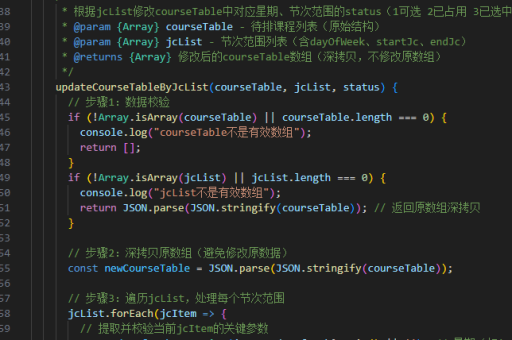
对于更复杂的定位需求,可以集成第三方库如popper.js或vue-popper。
<template>
  <div ref="reference">参考元素</div>
  <div ref="popper">弹出内容</div>
</template>

<script>
import Popper from 'popper.js'

export default {
  mounted() {
    new Popper(this.$refs.reference, this.$refs.popper, {
      placement: 'bottom'
    })
  }
}
</script>
响应式定位
结合Vue的响应式特性,可以根据数据变化动态调整元素位置。
<template>
  <div :style="{ transform: `translate(${x}px, ${y}px)` }">可移动元素</div>
</template>

<script>
export default {
  data() {
    return {
      x: 0,
      y: 0
    }
  },
  methods: {
    updatePosition(newX, newY) {
      this.x = newX
      this.y = newY
    }
  }
}
</script>
注意事项
- 避免直接操作DOM,优先使用Vue的数据驱动方式
- 在组件销毁时清理事件监听器和定时器
- 对于复杂的定位场景,考虑使用专门的UI库如Element UI或Vuetify中的定位组件
- 服务端渲染(SSR)环境下谨慎使用DOM操作