vue实现智能回复
Vue 实现智能回复功能
数据绑定与用户输入处理
在 Vue 中通过 v-model 绑定用户输入框,监听输入事件触发智能回复逻辑。例如:
<template>
  <input v-model="userInput" @input="triggerSmartReply" placeholder="输入消息...">
  <div v-if="reply">{{ reply }}</div>
</template>

<script>
export default {
  data() {
    return {
      userInput: '',
      reply: ''
    }
  },
  methods: {
    triggerSmartReply() {
      if (this.userInput.includes('你好')) {
        this.reply = '您好,请问有什么可以帮您?'
      }
    }
  }
}
</script>
集成自然语言处理(NLP)API
调用第三方 NLP API(如腾讯云或阿里云的智能对话服务)实现高级回复:
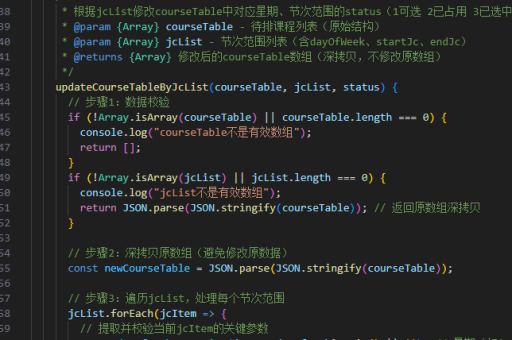
methods: {
  async fetchSmartReply() {
    const response = await axios.post('https://nlp-api.example.com/chat', {
      text: this.userInput
    })
    this.reply = response.data.reply
  }
}
本地关键词匹配方案
对于简单场景,可使用本地关键词映射实现基础回复:
const keywordMap = {
  '价格': '我们的产品定价为99元,现在购买享8折优惠。',
  '发货': '订单将在24小时内发货,物流时效约3-5天。'
}

methods: {
  getReplyByKeyword() {
    for (const [key, value] of Object.entries(keywordMap)) {
      if (this.userInput.includes(key)) {
        return value
      }
    }
    return '抱歉,我没有理解您的意思。'
  }
}
添加打字动画效果
通过 CSS 和定时器模拟机器人打字效果:

<div class="type-effect" :style="{ '--text-length': reply.length }">
  {{ displayedReply }}
</div>

<style>
.type-effect::after {
  content: '|';
  animation: blink 1s infinite;
}
@keyframes blink {
  50% { opacity: 0; }
}
</style>
实现上下文记忆
使用 Vuex 或 Pinia 存储对话历史,增强回复连贯性:
// store.js
state: {
  chatHistory: []
},
mutations: {
  addMessage(state, payload) {
    state.chatHistory.push(payload)
  }
}
性能优化建议
对于高频输入场景,使用防抖函数控制 API 调用频率:
import { debounce } from 'lodash'

methods: {
  triggerSmartReply: debounce(function() {
    this.fetchSmartReply()
  }, 500)
}