vue 实现全部删除
实现全部删除功能
在Vue中实现全部删除功能通常涉及操作数据列表,并通过前端交互触发删除逻辑。以下是常见的实现方法:
使用v-model绑定数据
通过v-model绑定数组数据,点击删除按钮时清空数组:
<template>
  <div>
    <button @click="deleteAll">删除全部</button>
    <ul>
      <li v-for="(item, index) in items" :key="index">
        {{ item.name }}
      </li>
    </ul>
  </div>
</template>

<script>
export default {
  data() {
    return {
      items: [
        { name: '项目1' },
        { name: '项目2' },
        { name: '项目3' }
      ]
    }
  },
  methods: {
    deleteAll() {
      this.items = []
    }
  }
}
</script>
结合Vuex的状态管理
当使用Vuex管理全局状态时,可通过mutation实现全部删除:
// store.js
const store = new Vuex.Store({
  state: {
    items: []
  },
  mutations: {
    clearAllItems(state) {
      state.items = []
    }
  }
})

// 组件中
methods: {
  deleteAll() {
    this.$store.commit('clearAllItems')
  }
}
与服务端交互
需要从服务器删除数据时,通常需要调用API:
methods: {
  async deleteAll() {
    try {
      await axios.delete('/api/items')
      this.items = [] // 清空本地数据
    } catch (error) {
      console.error('删除失败:', error)
    }
  }
}
添加确认对话框
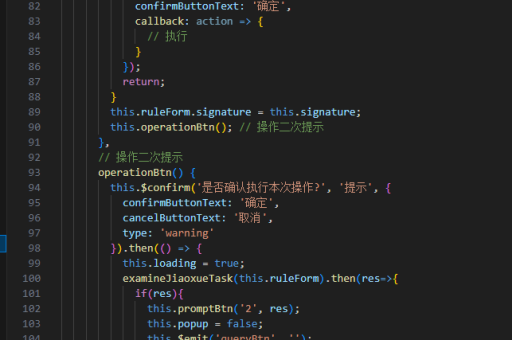
为防止误操作,可添加确认提示:
methods: {
  deleteAll() {
    if(confirm('确定要删除所有项目吗?')) {
      this.items = []
    }
  }
}
使用计算属性处理空状态
可结合计算属性显示不同的UI状态:
computed: {
  isEmpty() {
    return this.items.length === 0
  }
}
以上方法可根据具体需求组合使用,实现完整的全部删除功能。关键点在于正确处理数据状态变更和用户交互流程。