php 实现心跳
PHP 实现心跳机制的方法
使用 HTTP 长轮询(Long Polling)
客户端发送请求到服务器,服务器保持连接开放直到有新数据或超时。这种方式可以模拟实时通信,适用于需要即时反馈的场景。
// 服务器端代码示例
while (true) {
    $data = checkForUpdates(); // 检查是否有新数据
    if ($data !== false) {
        echo json_encode($data);
        break;
    }
    sleep(1); // 避免频繁检查
}
WebSocket 实现
WebSocket 提供全双工通信,适合需要持续连接的场景。PHP 可以通过 Ratchet 等库实现 WebSocket 服务。
// 使用 Ratchet 实现 WebSocket 服务
use Ratchet\MessageComponentInterface;
use Ratchet\ConnectionInterface;

class Heartbeat implements MessageComponentInterface {
    public function onOpen(ConnectionInterface $conn) {}
    public function onClose(ConnectionInterface $conn) {}
    public function onError(ConnectionInterface $conn, \Exception $e) {}
    public function onMessage(ConnectionInterface $from, $msg) {
        $from->send("Heartbeat: " . date('Y-m-d H:i:s'));
    }
}

$server = IoServer::factory(
    new HttpServer(new WsServer(new Heartbeat())),
    8080
);
$server->run();
定时 AJAX 请求
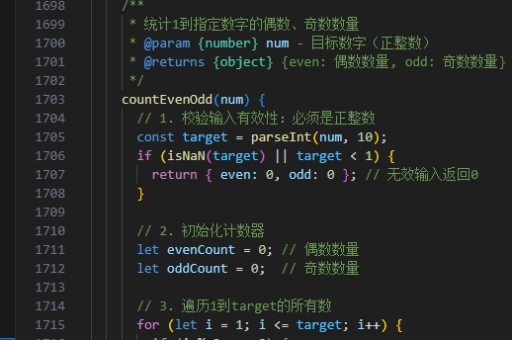
客户端通过 JavaScript 定时发送 AJAX 请求到服务器,服务器返回当前状态或数据。这种方法简单易实现,但会增加服务器负载。
// 客户端 JavaScript 示例
setInterval(function() {
    fetch('heartbeat.php')
        .then(response => response.json())
        .then(data => console.log(data));
}, 5000); // 每 5 秒发送一次请求
// 服务器端 heartbeat.php
header('Content-Type: application/json');
echo json_encode(['status' => 'alive', 'time' => time()]);使用 Redis 或数据库记录心跳
通过定期更新数据库或 Redis 中的记录,实现心跳检测。适用于分布式系统中检测服务是否存活。
// 更新 Redis 中的心跳记录
$redis = new Redis();
$redis->connect('127.0.0.1', 6379);
$redis->set('service_heartbeat', time(), 10); // 设置 10 秒过期
Cron 任务检测
通过 Cron 定时任务执行脚本,检测服务是否正常运行。如果服务异常,可以触发报警或重启脚本。
# Cron 任务示例(每 5 分钟执行一次)
*/5 * * * * php /path/to/heartbeat_check.php
// heartbeat_check.php
if (!checkServiceAlive()) {
sendAlert('Service is down!');
restartService();
}注意事项
- 性能优化:频繁的心跳检测可能增加服务器负载,需根据实际需求调整间隔时间。
- 超时设置:合理设置超时时间,避免资源浪费。
- 错误处理:确保心跳失败时有适当的恢复机制,如重试或报警。
以上方法可根据具体场景选择,WebSocket 适合高实时性需求,而定时请求或 Cron 任务更适合简单检测。