vue如何实现排序
实现数组排序
在Vue中实现排序通常需要对数组进行操作。可以使用JavaScript的sort()方法对数组进行排序,结合Vue的响应式特性确保视图更新。
data() {
  return {
    items: [
      { id: 1, name: 'Item C' },
      { id: 2, name: 'Item A' },
      { id: 3, name: 'Item B' }
    ]
  }
},
methods: {
  sortItems() {
    this.items.sort((a, b) => a.name.localeCompare(b.name));
  }
}
基于计算属性排序
使用计算属性可以动态返回排序后的数组,而不会修改原始数据。适合需要频繁排序的场景。

computed: {
  sortedItems() {
    return [...this.items].sort((a, b) => a.name.localeCompare(b.name));
  }
}
表格列排序
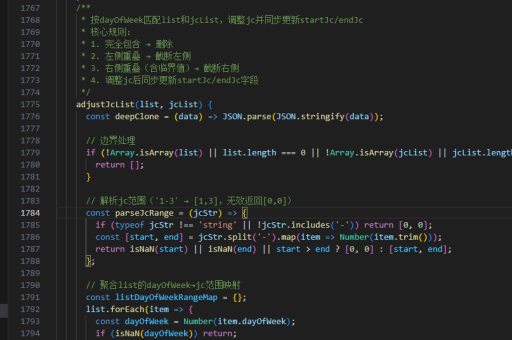
在表格中实现点击表头排序功能,通常需要结合事件处理和动态排序逻辑。
data() {
  return {
    sortKey: 'name',
    sortOrder: 'asc',
    tableData: [
      { name: 'Alice', age: 25 },
      { name: 'Bob', age: 30 }
    ]
  }
},
computed: {
  sortedTableData() {
    const order = this.sortOrder === 'asc' ? 1 : -1;
    return [...this.tableData].sort((a, b) => {
      return a[this.sortKey] > b[this.sortKey] ? order : -order;
    });
  }
},
methods: {
  sortBy(key) {
    if (this.sortKey === key) {
      this.sortOrder = this.sortOrder === 'asc' ? 'desc' : 'asc';
    } else {
      this.sortKey = key;
      this.sortOrder = 'asc';
    }
  }
}
使用第三方库
对于复杂排序需求,可以使用lodash等工具库提供更强大的排序功能。
import _ from 'lodash';

computed: {
  sortedItems() {
    return _.orderBy(this.items, ['name'], ['asc']);
  }
}
服务器端排序
当数据量很大时,建议将排序逻辑放在服务器端处理。通过API请求获取已排序的数据。
methods: {
  async fetchSortedData(sortField, sortOrder) {
    const response = await axios.get('/api/items', {
      params: {
        sortBy: sortField,
        order: sortOrder
      }
    });
    this.items = response.data;
  }
}