vue系统实现
Vue 系统实现指南
Vue 是一个渐进式 JavaScript 框架,适合构建用户界面和单页应用(SPA)。以下是实现 Vue 系统的关键步骤和技术要点。
环境搭建与项目初始化
安装 Node.js 和 npm(或 yarn)作为开发环境的基础工具。使用 Vue CLI 快速初始化项目:
npm install -g @vue/cli
vue create my-project
选择预设配置(如 Babel、Router、Vuex 等)或手动配置功能模块。进入项目目录后启动开发服务器:
cd my-project
npm run serve
核心功能模块
组件化开发
Vue 的核心是组件化。每个组件由模板、脚本和样式三部分组成:
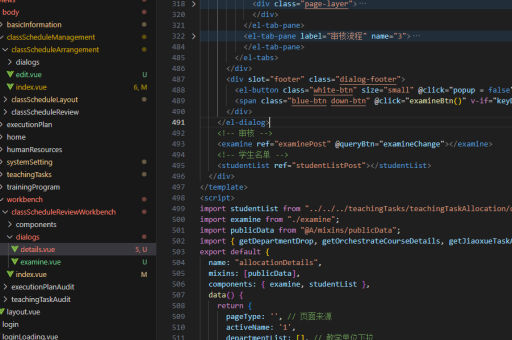
<template>
  <div>{{ message }}</div>
</template>

<script>
export default {
  data() {
    return { message: 'Hello Vue!' }
  }
}
</script>

<style scoped>
div { color: red; }
</style>
状态管理(Vuex)
对于复杂状态逻辑,使用 Vuex 集中管理:
// store.js
import Vuex from 'vuex';
const store = new Vuex.Store({
  state: { count: 0 },
  mutations: {
    increment(state) { state.count++; }
  }
});
路由配置(Vue Router)
实现页面导航需配置路由:
import Router from 'vue-router';
const router = new Router({
  routes: [
    { path: '/', component: Home },
    { path: '/about', component: About }
  ]
});
进阶优化
性能优化
- 使用
v-if和v-show按需渲染 DOM。 - 异步组件加载:
const LazyComponent = () => import('./LazyComponent.vue');
API 集成
通过 Axios 处理 HTTP 请求:
axios.get('/api/data')
  .then(response => { this.data = response.data; });
部署流程
构建生产环境代码:
npm run build将生成的 dist 目录部署到 Web 服务器(如 Nginx 或 CDN)。

测试与调试
- 单元测试:使用 Jest 或 Mocha 测试组件逻辑。
- E2E 测试:通过 Cypress 或 Nightwatch 模拟用户操作。
- 开发调试:安装 Vue Devtools 浏览器插件实时检查组件树和状态。
通过以上步骤,可系统性地实现一个功能完备的 Vue 应用。根据项目需求灵活选择模块,逐步扩展复杂度。