vue 页签实现
Vue 页签实现方法
在 Vue 中实现页签功能通常涉及动态组件、路由或状态管理。以下是几种常见的实现方式:
使用动态组件
通过 Vue 的 <component> 动态组件结合 v-for 和 v-model 实现页签切换:
<template>
  <div>
    <div class="tabs">
      <button
        v-for="(tab, index) in tabs"
        :key="index"
        @click="currentTab = tab.component"
        :class="{ active: currentTab === tab.component }"
      >
        {{ tab.name }}
      </button>
    </div>
    <component :is="currentTab" />
  </div>
</template>

<script>
export default {
  data() {
    return {
      tabs: [
        { name: 'Tab 1', component: 'Tab1Content' },
        { name: 'Tab 2', component: 'Tab2Content' }
      ],
      currentTab: 'Tab1Content'
    };
  },
  components: {
    Tab1Content: { template: '<div>Content for Tab 1</div>' },
    Tab2Content: { template: '<div>Content for Tab 2</div>' }
  }
};
</script>

<style>
.tabs button.active {
  background-color: #42b983;
  color: white;
}
</style>
结合 Vue Router
若页签需要与路由关联,可通过 router-view 和嵌套路由实现:
// router.js
const routes = [
  {
    path: '/tabs',
    component: TabsContainer,
    children: [
      { path: 'tab1', component: Tab1 },
      { path: 'tab2', component: Tab2 }
    ]
  }
];
<!-- TabsContainer.vue -->
<template>
<div>
<router-link
v-for="tab in tabs"
:key="tab.path"
:to="`/tabs/${tab.path}`"
active-class="active"
>
{{ tab.name }}
</router-link>
<router-view />
</div>
</template>使用状态管理(如 Pinia/Vuex)
对于复杂状态共享的页签,可通过状态管理库集中管理激活状态:
// store.js (Pinia 示例)
export const useTabStore = defineStore('tabs', {
  state: () => ({
    activeTab: 'home'
  }),
  actions: {
    setActiveTab(tab) {
      this.activeTab = tab;
    }
  }
});
<template>
<button @click="store.setActiveTab('home')">Home</button>
<button @click="store.setActiveTab('profile')">Profile</button>
<div v-if="store.activeTab === 'home'">Home Content</div>
<div v-else>Profile Content</div>
</template>
<script setup>
import { useTabStore } from './store';
const store = useTabStore();
</script>第三方库推荐
若需快速实现高级页签功能,可考虑以下库:
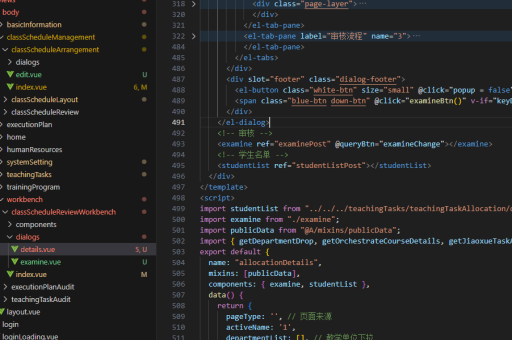
- Element Plus:提供
el-tabs组件 - Ant Design Vue:包含
a-tabs组件 - BootstrapVue:支持标签式导航
关键注意事项
- 确保页签内容按需加载(使用
v-if或动态导入) - 对于路由页签,注意路由守卫和懒加载优化
- 移动端需考虑响应式设计和手势支持