vue实现页面刻度
实现页面刻度的基本思路
在Vue中实现页面刻度通常涉及动态渲染刻度线、数值标签及交互逻辑。可通过CSS绝对定位结合Vue的数据绑定能力实现。以下是具体方法:
刻度组件结构
创建一个Vue组件(如Scale.vue),包含刻度线容器和数值标签。模板部分示例如下:
<template>
  <div class="scale-container">
    <div
      v-for="(tick, index) in ticks"
      :key="index"
      class="tick"
      :style="{ left: `${tick.position}%` }"
    ></div>
    <div
      v-for="(label, index) in labels"
      :key="'label-' + index"
      class="label"
      :style="{ left: `${label.position}%` }"
    >
      {{ label.value }}
    </div>
  </div>
</template>
数据计算逻辑
在script部分定义刻度数据和计算方法:
export default {
  data() {
    return {
      min: 0,    // 最小值
      max: 100,  // 最大值
      step: 10,  // 刻度间隔
    };
  },
  computed: {
    ticks() {
      const ticks = [];
      for (let i = this.min; i <= this.max; i += this.step) {
        ticks.push({
          position: ((i - this.min) / (this.max - this.min)) * 100,
        });
      }
      return ticks;
    },
    labels() {
      return this.ticks.map(tick => ({
        position: tick.position,
        value: Math.round((tick.position / 100) * (this.max - this.min) + this.min),
      }));
    },
  },
};
样式设计
使用CSS定位刻度线和标签,确保横向或纵向对齐:
.scale-container {
  position: relative;
  width: 100%;
  height: 30px;
  background: #f0f0f0;
}

.tick {
  position: absolute;
  bottom: 0;
  width: 1px;
  height: 10px;
  background: #333;
  transform: translateX(-50%);
}

.label {
  position: absolute;
  bottom: 12px;
  font-size: 12px;
  transform: translateX(-50%);
}
交互扩展(如拖动滑块)
若需与滑块联动,可通过v-model绑定值并监听变化:
<input
  type="range"
  v-model="currentValue"
  :min="min"
  :max="max"
  @input="handleInput"
/>
methods: {
handleInput() {
this.$emit('update:modelValue', this.currentValue);
},
}动态响应式调整
通过监听窗口大小变化,动态更新刻度密度:
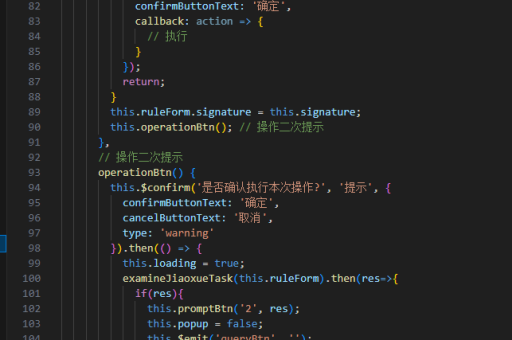
mounted() {
  window.addEventListener('resize', this.calculateTicks);
},
beforeDestroy() {
  window.removeEventListener('resize', this.calculateTicks);
},
methods: {
  calculateTicks() {
    if (window.innerWidth < 768) {
      this.step = 20; // 移动端减少刻度密度
    } else {
      this.step = 10;
    }
  },
}
注意事项
- 横向刻度需调整
left为top并修改容器高度。 - 数值格式化可使用
toFixed()或第三方库如d3-format。 - 性能优化:大量刻度时使用虚拟滚动(如
vue-virtual-scroller)。
通过以上步骤,可实现灵活可配置的页面刻度组件,适用于进度条、温度计等场景。