vue实现数据删除
vue实现数据删除的方法
使用v-for和v-on指令
在Vue中可以通过v-for指令渲染列表数据,结合v-on指令监听删除事件。定义一个方法处理删除逻辑,通常使用splice方法从数组中移除指定项。
<template>
  <ul>
    <li v-for="(item, index) in items" :key="index">
      {{ item.name }}
      <button @click="deleteItem(index)">删除</button>
    </li>
  </ul>
</template>

<script>
export default {
  data() {
    return {
      items: [
        { name: '项目1' },
        { name: '项目2' },
        { name: '项目3' }
      ]
    }
  },
  methods: {
    deleteItem(index) {
      this.items.splice(index, 1)
    }
  }
}
</script>
使用Vuex管理状态
对于大型应用,建议使用Vuex集中管理状态。在store中定义mutation来执行删除操作,组件中通过commit触发mutation。

// store.js
const store = new Vuex.Store({
  state: {
    items: [
      { id: 1, name: '项目1' },
      { id: 2, name: '项目2' }
    ]
  },
  mutations: {
    DELETE_ITEM(state, id) {
      state.items = state.items.filter(item => item.id !== id)
    }
  }
})

// 组件中
methods: {
  deleteItem(id) {
    this.$store.commit('DELETE_ITEM', id)
  }
}
结合后端API删除
实际项目中通常需要调用API接口删除后端数据。使用axios等HTTP库发送删除请求,成功后更新前端数据。
methods: {
  async deleteItem(id) {
    try {
      await axios.delete(`/api/items/${id}`)
      this.items = this.items.filter(item => item.id !== id)
    } catch (error) {
      console.error('删除失败:', error)
    }
  }
}
使用计算属性优化显示
删除操作后,可以使用计算属性动态计算并显示剩余数据,保持视图与数据同步。
computed: {
  filteredItems() {
    return this.items.filter(item => !item.deleted)
  }
}
添加确认对话框
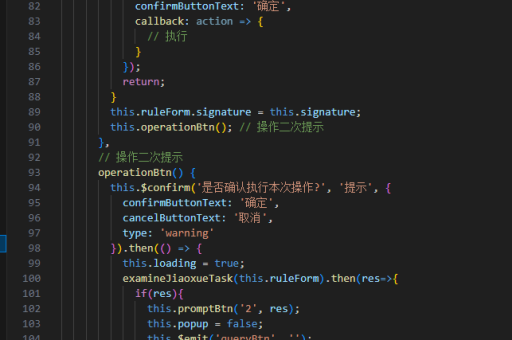
为防止误删,可以在删除前添加确认提示,使用浏览器原生confirm或第三方UI库的对话框组件。
methods: {
  deleteItem(index) {
    if (confirm('确定要删除此项吗?')) {
      this.items.splice(index, 1)
    }
  }
}