vue如何实现组件继承
Vue 实现组件继承的方法
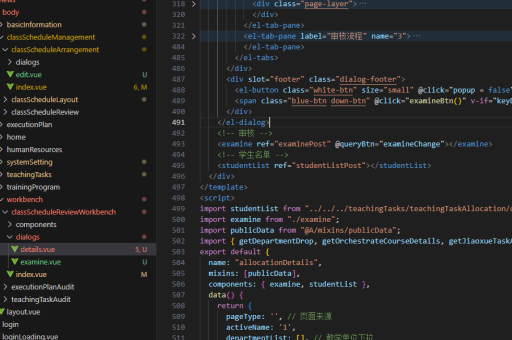
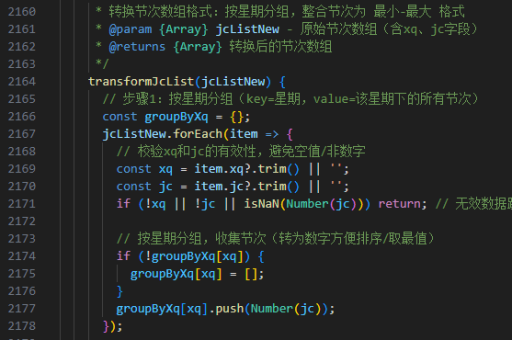
Vue 本身不直接支持传统面向对象的继承模式,但可以通过以下几种方式实现类似组件继承的效果:
使用 mixins
Mixins 是 Vue 提供的一种代码复用机制,允许将组件选项混入到多个组件中:

// 定义 mixin
const myMixin = {
  data() {
    return {
      message: 'Hello from mixin'
    }
  },
  methods: {
    greet() {
      console.log(this.message)
    }
  }
}

// 使用 mixin
Vue.component('child-component', {
  mixins: [myMixin],
  template: '<div @click="greet">{{ message }}</div>'
})
使用 extends 选项
Vue 提供了 extends 选项,允许一个组件继承另一个组件的选项:
// 基础组件
const BaseComponent = {
  data() {
    return {
      baseData: 'Base data'
    }
  },
  methods: {
    baseMethod() {
      console.log('Base method called')
    }
  }
}

// 继承组件
Vue.component('child-component', {
  extends: BaseComponent,
  data() {
    return {
      childData: 'Child data'
    }
  },
  template: '<div @click="baseMethod">{{ baseData }} - {{ childData }}</div>'
})
使用高阶组件(HOC)
通过函数返回组件的方式创建高阶组件:
function withBase(WrappedComponent) {
  return {
    data() {
      return {
        baseValue: 'Base value'
      }
    },
    render(h) {
      return h(WrappedComponent, {
        props: {
          baseProp: this.baseValue
        }
      })
    }
  }
}

const MyComponent = {
  props: ['baseProp'],
  template: '<div>{{ baseProp }}</div>'
}

const EnhancedComponent = withBase(MyComponent)
使用 Composition API
Vue 3 的 Composition API 提供了更好的代码复用方式:
// 基础逻辑
function useBase() {
  const baseValue = ref('Base value')
  const baseMethod = () => {
    console.log(baseValue.value)
  }
  return { baseValue, baseMethod }
}

// 组件使用
const ChildComponent = {
  setup() {
    const { baseValue, baseMethod } = useBase()
    const childValue = ref('Child value')
    return { baseValue, baseMethod, childValue }
  },
  template: `
    <div @click="baseMethod">
      {{ baseValue }} - {{ childValue }}
    </div>
  `
}
使用 $options 继承
通过修改 Vue 构造函数的 $options 实现继承:
const BaseVue = Vue.extend({
  data() {
    return {
      baseData: 'Base data'
    }
  }
})

const ChildVue = BaseVue.extend({
  data() {
    return {
      childData: 'Child data'
    }
  }
})
每种方法都有其适用场景,mixins 和 extends 适用于简单继承,高阶组件和 Composition API 更适合复杂场景。选择时应考虑代码的可维护性和清晰度。