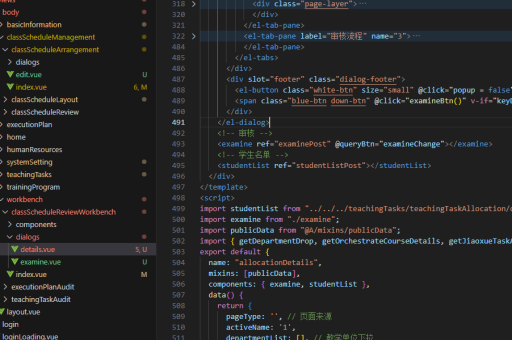
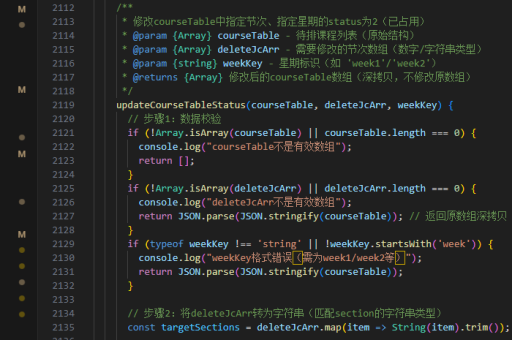
vue时间跨度实现
Vue 时间跨度实现方法
使用计算属性计算时间差
通过计算属性可以方便地计算两个日期之间的时间差。需要先定义开始和结束日期,然后在计算属性中进行计算。
computed: {
  timeDifference() {
    const start = new Date(this.startDate);
    const end = new Date(this.endDate);
    return end - start; // 返回毫秒数
  }
}
使用第三方库day.js或moment.js
这些日期处理库提供了更便捷的时间跨度计算方法,支持多种时间单位的转换和格式化。
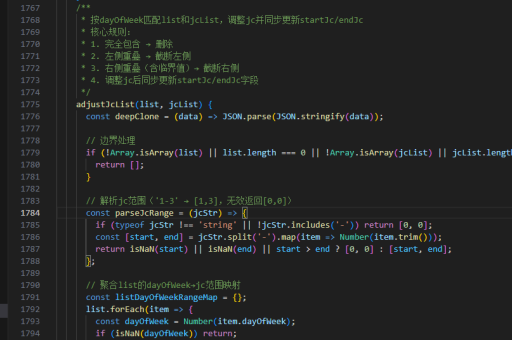
import dayjs from 'dayjs';

const start = dayjs('2023-01-01');
const end = dayjs('2023-01-10');
const diffInDays = end.diff(start, 'day');
自定义时间格式化过滤器
可以创建Vue过滤器来格式化显示时间跨度,使其更易读。
filters: {
  formatDuration(ms) {
    const seconds = Math.floor(ms / 1000);
    const minutes = Math.floor(seconds / 60);
    const hours = Math.floor(minutes / 60);
    const days = Math.floor(hours / 24);

    return `${days}天 ${hours%24}小时 ${minutes%60}分钟`;
  }
}
实时更新的时间跨度显示
对于需要实时更新的场景,可以使用定时器结合计算属性来实现。

data() {
  return {
    startTime: new Date()
  };
},
computed: {
  elapsedTime() {
    return new Date() - this.startTime;
  }
},
mounted() {
  this.timer = setInterval(() => {
    this.$forceUpdate();
  }, 1000);
},
beforeDestroy() {
  clearInterval(this.timer);
}
使用vue-timeago组件
对于相对时间显示,可以使用vue-timeago这样的现成组件,它能自动将时间转换为"几秒前"、"几分钟前"等友好格式。
import VueTimeago from 'vue-timeago';
Vue.use(VueTimeago, {
  name: 'Timeago',
  locale: 'zh-CN'
});
国际化时间显示
需要考虑不同地区的用户时,可以使用Vue的国际化功能配合日期库来实现。
import { createI18n } from 'vue-i18n';
import dayjs from 'dayjs';
import 'dayjs/locale/zh-cn';

dayjs.locale('zh-cn');
const i18n = createI18n({
  locale: 'zh-CN',
  messages: {
    'zh-CN': {
      timeFormat: 'YYYY年MM月DD日'
    }
  }
});