vue弹框怎么实现
实现Vue弹框的方法
使用组件化方式创建弹框
创建一个独立的弹框组件(如Modal.vue),包含模板、样式和逻辑。通过v-if或v-show控制显示状态,父组件通过props传递数据和控制方法。
<template>
  <div class="modal" v-if="visible">
    <div class="modal-content">
      <slot></slot>
      <button @click="$emit('close')">关闭</button>
    </div>
  </div>
</template>

<script>
export default {
  props: ['visible']
}
</script>

<style scoped>
.modal {
  position: fixed;
  top: 0;
  left: 0;
  width: 100%;
  height: 100%;
  background: rgba(0,0,0,0.5);
}
.modal-content {
  background: white;
  width: 300px;
  margin: 100px auto;
  padding: 20px;
}
</style>
在父组件中使用弹框
父组件通过数据绑定控制弹框的显示/隐藏,通过事件监听处理关闭操作。
<template>
  <div>
    <button @click="showModal = true">打开弹框</button>
    <Modal :visible="showModal" @close="showModal = false">
      <h3>弹框内容</h3>
      <p>这里是弹框的具体内容</p>
    </Modal>
  </div>
</template>

<script>
import Modal from './Modal.vue'

export default {
  components: { Modal },
  data() {
    return {
      showModal: false
    }
  }
}
</script>
使用第三方UI库
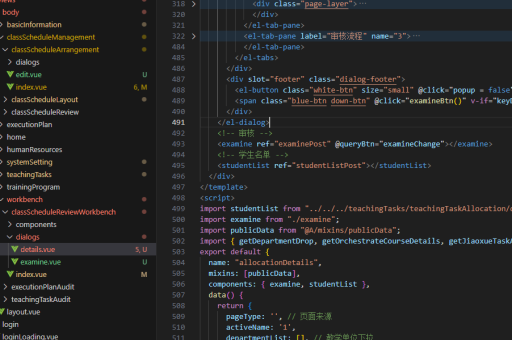
主流UI库如Element UI、Ant Design Vue等提供了现成的弹框组件,可直接调用。
以Element UI为例:

<template>
  <el-button @click="dialogVisible = true">打开弹框</el-button>
  <el-dialog
    title="提示"
    :visible.sync="dialogVisible"
    width="30%">
    <span>这是一段内容</span>
    <span slot="footer" class="dialog-footer">
      <el-button @click="dialogVisible = false">取消</el-button>
      <el-button type="primary" @click="dialogVisible = false">确定</el-button>
    </span>
  </el-dialog>
</template>

<script>
export default {
  data() {
    return {
      dialogVisible: false
    }
  }
}
</script>
使用Vue插件实现全局弹框
创建可编程的弹框插件,通过Vue.prototype或provide/inject实现全局调用。
// 插件定义
const ModalPlugin = {
  install(Vue) {
    Vue.prototype.$modal = {
      show(options) {
        // 创建弹框实例并挂载到DOM
      },
      hide() {
        // 隐藏弹框
      }
    }
  }
}

// 使用插件
Vue.use(ModalPlugin)

// 组件中调用
this.$modal.show({ title: '提示', content: '操作成功' })
动态组件实现弹框
利用Vue的动态组件特性,配合<component>标签实现灵活的弹框内容切换。
<template>
  <button @click="currentModal = 'ModalA'">打开A弹框</button>
  <button @click="currentModal = 'ModalB'">打开B弹框</button>

  <component
    :is="currentModal"
    v-if="currentModal"
    @close="currentModal = null"
  />
</template>

<script>
import ModalA from './ModalA.vue'
import ModalB from './ModalB.vue'

export default {
  components: { ModalA, ModalB },
  data() {
    return {
      currentModal: null
    }
  }
}
</script>
每种方法适用于不同场景,组件化方式适合简单需求,UI库适合快速开发,插件方式适合复杂应用,动态组件适合多类型弹框场景。