vue步骤条如何实现
实现步骤条的基本思路
Vue中实现步骤条通常结合组件化开发,利用状态管理或父子组件通信跟踪当前步骤。以下是两种常见实现方式:
基于动态样式绑定的基础实现
-
准备步骤数据
在Vue组件的data中定义步骤数组和当前步骤索引:data() { return { steps: ['步骤1', '步骤2', '步骤3'], currentStep: 0 } } -
模板渲染与样式绑定
使用v-for渲染步骤,通过动态class绑定高亮当前步骤:<div class="step-container"> <div v-for="(step, index) in steps" :key="index" :class="['step-item', { 'active': index === currentStep }]" > {{ step }} </div> </div> -
控制步骤切换
通过方法修改currentStep:methods: { nextStep() { if (this.currentStep < this.steps.length - 1) { this.currentStep++ } }, prevStep() { if (this.currentStep > 0) { this.currentStep-- } } }
使用第三方组件库
-
安装Element UI
通过npm安装Element Plus(适用于Vue 3):npm install element-plus -
引入Steps组件
在组件中直接使用el-steps:<el-steps :active="currentStep" finish-status="success"> <el-step title="步骤1" /> <el-step title="步骤2" /> <el-step title="步骤3" /> </el-steps> -
状态控制
通过修改active属性对应的变量实现步骤跳转:export default { data() { return { currentStep: 0 } } }
高级自定义实现(带连接线)
-
CSS样式设计
创建带连接线的步骤条样式:.custom-steps { display: flex; position: relative; } .step-item { flex: 1; text-align: center; position: relative; } .step-item:not(:last-child)::after { content: ''; position: absolute; top: 15px; left: 50%; width: 100%; height: 2px; background: #e0e0e0; z-index: -1; } .active { color: #409eff; font-weight: bold; } -
动态进度控制
在连接线上添加进度效果:.step-item.active:not(:last-child)::after { background: linear-gradient(to right, #409eff 50%, #e0e0e0 50%); } .step-item.done::after { background: #409eff; } -
组件逻辑完善
根据业务需求添加步骤验证逻辑: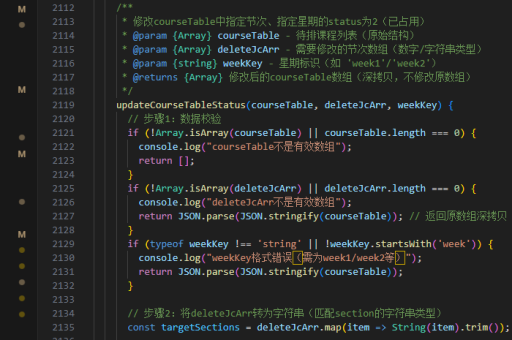
goToStep(index) {
  if (this.allowStepChange(index)) {
    this.currentStep = index
  }
}
响应式设计要点
- 使用CSS媒体查询适配移动端:
@media (max-width: 768px) { .step-item { font-size: 12px; } } - 考虑步骤标题过长时的省略显示:
.step-title {
  white-space: nowrap;
  overflow: hidden;
  text-overflow: ellipsis;
  max-width: 100px;
}
以上方案可根据项目复杂度选择基础实现或组件库方案,复杂流程建议结合Vuex/Pinia管理步骤状态。