js bind方法实现
bind 方法的基本概念
bind 方法是 JavaScript 中函数的一个内置方法,用于创建一个新的函数,这个新函数的 this 值会被绑定到指定的对象。bind 还可以预先设置部分参数,这种特性称为“部分应用”或“柯里化”。
bind 方法的核心功能
- 绑定
this值:bind方法会返回一个新函数,新函数的this值会被固定为传入的第一个参数。 - 预设参数:可以传入额外的参数,这些参数会被固定为新函数的初始参数。
- 延迟执行:返回的新函数不会立即执行,而是可以在后续调用时执行。
手动实现 bind 方法
以下是手动实现 bind 方法的代码示例:
Function.prototype.myBind = function(context, ...args) {
    const originalFunc = this;
    return function(...newArgs) {
        return originalFunc.apply(context, [...args, ...newArgs]);
    };
};
实现步骤解析
- 保存原始函数:通过
this获取调用myBind的原始函数,因为myBind是作为函数的方法调用的。 - 返回新函数:
myBind返回一个新函数,新函数内部会调用原始函数。 - 绑定
this和参数:使用apply方法将this绑定到context,并将预设参数和新传入的参数合并后传入原始函数。
边界情况处理
在实际使用中,还需要考虑一些边界情况,例如:
- 原型链的继承:确保绑定后的函数能够继承原始函数的原型链。
- 构造函数调用:如果绑定后的函数被用作构造函数,
this应该指向新创建的实例。
以下是更完善的实现:
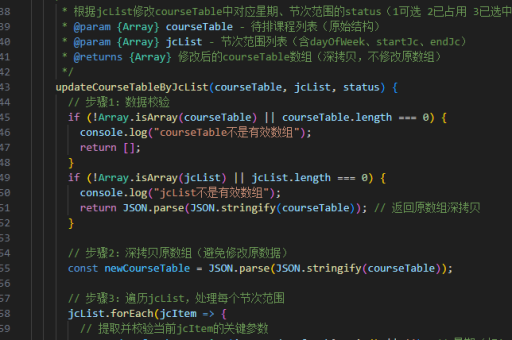
Function.prototype.myBind = function(context, ...args) {
    const originalFunc = this;
    const boundFunc = function(...newArgs) {
        // 判断是否通过 new 调用
        const isNewCall = this instanceof boundFunc;
        return originalFunc.apply(
            isNewCall ? this : context,
            [...args, ...newArgs]
        );
    };
    // 继承原型链
    boundFunc.prototype = Object.create(originalFunc.prototype);
    return boundFunc;
};
使用示例
const person = {
    name: 'Alice'
};

function greet(greeting, punctuation) {
    console.log(`${greeting}, ${this.name}${punctuation}`);
}

const boundGreet = greet.myBind(person, 'Hello');
boundGreet('!'); // 输出: Hello, Alice!
注意事项
new调用的处理:如果绑定后的函数通过new调用,this应该指向新创建的实例,而不是绑定的context。- 原型链的维护:手动实现的
bind需要确保绑定后的函数能够访问原始函数的原型链。 - 性能考虑:频繁使用
bind可能会创建大量函数对象,需注意性能影响。