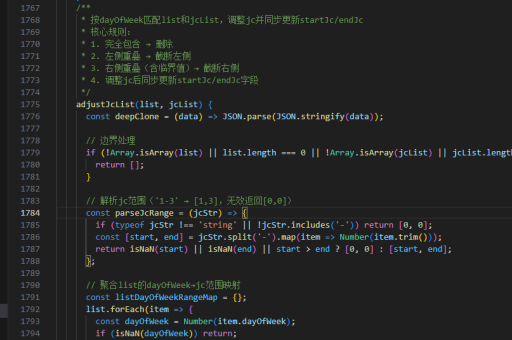
js 接口实现
接口实现的基本概念
在JavaScript中,接口通常指的是定义对象或类应该遵循的结构或契约。虽然JavaScript本身没有像TypeScript那样的显式接口语法,但可以通过多种方式模拟接口行为。
使用对象字面量模拟接口
通过定义一个对象字面量来规定对象必须包含的属性和方法:
const userInterface = {
  name: '',
  age: 0,
  greet: function() {}
};

function createUser(user) {
  if (!user.name || !user.age || !user.greet) {
    throw new Error('Invalid user object');
  }
  return user;
}
使用类模拟接口
通过类继承或混入模式实现接口功能:

class IUser {
  constructor() {
    if (new.target === IUser) {
      throw new Error('Cannot instantiate interface');
    }
  }

  greet() {
    throw new Error('Method not implemented');
  }
}

class User extends IUser {
  greet() {
    console.log('Hello!');
  }
}
使用TypeScript接口
在TypeScript中可以直接使用接口语法:
interface IUser {
  name: string;
  age: number;
  greet(): void;
}

class User implements IUser {
  name: string;
  age: number;

  constructor(name: string, age: number) {
    this.name = name;
    this.age = age;
  }

  greet() {
    console.log(`Hello, ${this.name}`);
  }
}
使用鸭子类型检查
通过检查对象是否具有特定属性来验证接口实现:

function isUser(user) {
  return 'name' in user &&
         'age' in user &&
         typeof user.greet === 'function';
}

const user = {
  name: 'Alice',
  age: 25,
  greet() {
    console.log('Hi!');
  }
};

if (isUser(user)) {
  user.greet();
}
使用Symbol实现私有接口
通过Symbol创建唯一键来实现更严格的接口控制:
const IUser = {
  greet: Symbol('greet')
};

class User {
  [IUser.greet]() {
    console.log('Private greeting');
  }

  publicGreet() {
    this[IUser.greet]();
  }
}
使用Proxy实现接口验证
通过Proxy对象在运行时验证接口实现:
const userValidator = {
  get(target, prop) {
    if (prop === 'name' && !target[prop]) {
      throw new Error('Name is required');
    }
    return target[prop];
  }
};

const user = new Proxy({}, userValidator);
user.name = 'Bob'; // 正常工作
user.age = 30;     // 正常工作