js showdialog实现
使用 showDialog 实现弹窗功能
在 JavaScript 中,可以通过自定义方式或浏览器原生 API 实现弹窗功能。以下是几种常见方法:
自定义 HTML/CSS 弹窗
创建一个隐藏的 div,通过 JavaScript 控制其显示和隐藏:
<div id="customDialog" style="display: none; position: fixed; top: 50%; left: 50%; transform: translate(-50%, -50%); background: white; padding: 20px; border: 1px solid #ccc;">
  <p>这是一个自定义弹窗</p>
  <button onclick="closeDialog()">关闭</button>
</div>

<script>
function showDialog() {
  document.getElementById('customDialog').style.display = 'block';
}

function closeDialog() {
  document.getElementById('customDialog').style.display = 'none';
}
</script>
使用浏览器原生 alert、confirm 和 prompt
浏览器提供了简单的弹窗方法:
// 警告框
alert('这是一个警告');

// 确认框
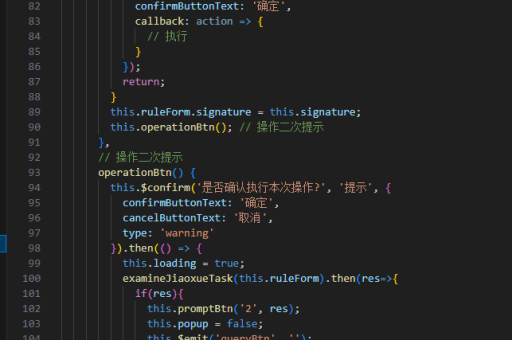
const isConfirmed = confirm('你确定吗?');

// 输入框
const userInput = prompt('请输入你的名字');
使用 dialog HTML5 元素
现代浏览器支持 <dialog> 元素:
<dialog id="html5Dialog">
  <p>HTML5 原生弹窗</p>
  <button onclick="document.getElementById('html5Dialog').close()">关闭</button>
</dialog>

<script>
function showHtml5Dialog() {
  document.getElementById('html5Dialog').showModal();
}
</script>
使用第三方库
流行的 UI 库通常提供弹窗组件:
// 使用 jQuery UI
$('#dialog').dialog();

// 使用 Bootstrap
$('#myModal').modal('show');
实现一个简单的 showDialog 函数
可以封装一个通用函数:

function showDialog(options) {
  const { title, content, buttons } = options;
  const dialog = document.createElement('div');
  dialog.className = 'dialog-overlay';

  const html = `
    <div class="dialog-content">
      <h3>${title}</h3>
      <div>${content}</div>
      <div class="dialog-buttons">
        ${buttons.map(btn => `<button onclick="${btn.onClick}">${btn.text}</button>`).join('')}
      </div>
    </div>
  `;

  dialog.innerHTML = html;
  document.body.appendChild(dialog);

  return {
    close: () => document.body.removeChild(dialog)
  };
}

// 使用示例
showDialog({
  title: '提示',
  content: '操作成功',
  buttons: [
    { text: '确定', onClick: 'this.parentElement.parentElement.parentElement.remove()' }
  ]
});
以上方法可以根据项目需求选择使用,自定义实现提供了最大的灵活性,而原生方法和第三方库则更适合快速开发。