css制作ani格式
在CSS中制作动画(通常称为.ani格式的动画效果)可以通过关键帧动画(@keyframes)和过渡(transition)实现。以下是几种常见的方法:
使用 @keyframes 创建动画
通过定义关键帧来控制动画的每一阶段样式变化,并将其应用到元素上。
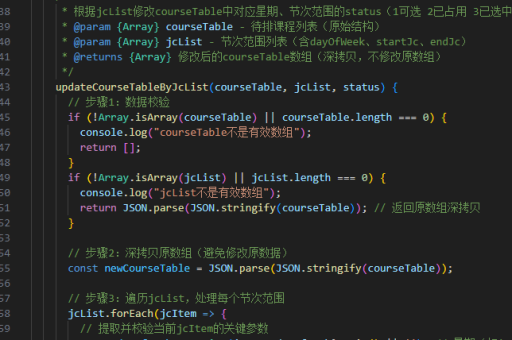
/* 定义关键帧动画 */
@keyframes example {
  0% {
    background-color: red;
    transform: scale(1);
  }
  50% {
    background-color: yellow;
    transform: scale(1.2);
  }
  100% {
    background-color: green;
    transform: scale(1);
  }
}

/* 应用动画到元素 */
.element {
  width: 100px;
  height: 100px;
  animation-name: example;
  animation-duration: 3s;
  animation-iteration-count: infinite;
}
使用 transition 实现过渡动画
通过过渡属性在状态变化时平滑地改变样式。
.element {
  width: 100px;
  height: 100px;
  background-color: blue;
  transition: background-color 1s, transform 0.5s;
}

.element:hover {
  background-color: purple;
  transform: rotate(45deg);
}
结合 transform 制作复杂动画
利用 transform 属性实现旋转、缩放、位移等效果。
@keyframes spin {
  from {
    transform: rotate(0deg);
  }
  to {
    transform: rotate(360deg);
  }
}

.spinner {
  animation: spin 2s linear infinite;
}
控制动画的播放方式
通过 animation-timing-function 调整动画的速度曲线(如缓动效果)。
.element {
  animation: example 3s ease-in-out infinite;
}
实现逐帧动画
使用 steps() 函数实现类似精灵图的逐帧动画。
@keyframes walk {
  to {
    background-position: -1000px 0;
  }
}

.character {
  width: 100px;
  height: 100px;
  background-image: url('spritesheet.png');
  animation: walk 1s steps(10) infinite;
}
注意事项
- 确保浏览器兼容性,必要时添加前缀(如
-webkit-)。 - 使用
will-change属性优化动画性能。 - 避免过多复杂动画导致页面卡顿。
以上方法可以灵活组合,实现各种动态效果,满足 .ani 格式的动画需求。