vue模板实现
Vue 模板实现方法
Vue 模板是 Vue.js 的核心特性之一,用于声明式地将 DOM 绑定至底层 Vue 实例的数据。以下是几种常见的 Vue 模板实现方式:
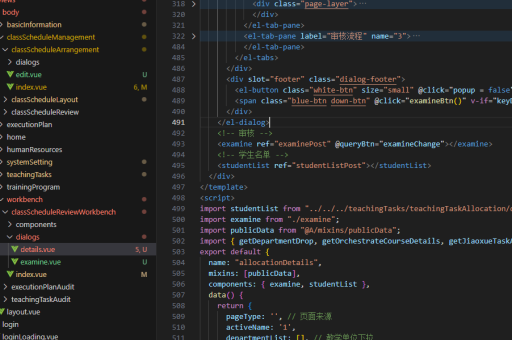
单文件组件(SFC)模板
使用 .vue 文件格式,将模板、脚本和样式封装在一个文件中:
<template>
  <div>
    <h1>{{ title }}</h1>
    <button @click="handleClick">Click me</button>
  </div>
</template>

<script>
export default {
  data() {
    return {
      title: 'Vue Template'
    }
  },
  methods: {
    handleClick() {
      alert('Button clicked!')
    }
  }
}
</script>

<style scoped>
h1 {
  color: #42b983;
}
</style>
字符串模板
通过 template 选项直接定义模板字符串:
new Vue({
  template: `
    <div>
      <p>{{ message }}</p>
    </div>
  `,
  data: {
    message: 'Hello Vue!'
  }
})
DOM 内联模板 使用 HTML 中的 DOM 元素作为模板:
<div id="app">
  <p>{{ message }}</p>
</div>

<script>
new Vue({
  el: '#app',
  data: {
    message: 'Inline DOM template'
  }
})
</script>
X-Template
通过 <script type="text/x-template"> 定义模板:
<script type="text/x-template" id="my-template">
  <div>
    <h2>{{ header }}</h2>
  </div>
</script>

<script>
new Vue({
  el: '#app',
  template: '#my-template',
  data: {
    header: 'X-Template Example'
  }
})
</script>
模板语法特性
插值
- 文本插值:
{{ }} - 原始 HTML:
v-html指令 - 属性绑定:
v-bind或:
指令
- 条件渲染:
v-if,v-else,v-show - 列表渲染:
v-for - 事件处理:
v-on或@ - 双向绑定:
v-model
计算属性和侦听器
computed: {
  reversedMessage() {
    return this.message.split('').reverse().join('')
  }
},
watch: {
  message(newVal, oldVal) {
    console.log('Message changed')
  }
}
模板编译过程
Vue 模板会经历以下编译步骤:
- 解析:将模板字符串转换为 AST(抽象语法树)
- 优化:标记静态节点以便后续重用
- 代码生成:将 AST 转换为渲染函数
运行时版本需要预编译模板,而完整版包含编译器可运行时编译模板。生产环境推荐使用预编译。