vue实现多用户登录
实现多用户登录的基本思路
在Vue中实现多用户登录需要结合后端服务进行身份验证和权限管理。前端主要负责用户界面交互、登录表单处理以及权限控制。以下是关键步骤:
登录表单设计与数据绑定
使用Vue的双向数据绑定特性处理用户输入:
<template>
  <form @submit.prevent="handleLogin">
    <input v-model="loginForm.username" placeholder="用户名"/>
    <input v-model="loginForm.password" type="password" placeholder="密码"/>
    <select v-model="loginForm.userType">
      <option value="admin">管理员</option>
      <option value="user">普通用户</option>
    </select>
    <button type="submit">登录</button>
  </form>
</template>

<script>
export default {
  data() {
    return {
      loginForm: {
        username: '',
        password: '',
        userType: 'user'
      }
    }
  }
}
</script>
认证请求与响应处理
通过axios发送登录请求到后端API:
methods: {
  async handleLogin() {
    try {
      const response = await axios.post('/api/login', this.loginForm)
      const { token, userInfo } = response.data

      // 存储token和用户信息
      localStorage.setItem('authToken', token)
      localStorage.setItem('userType', userInfo.type)

      // 根据用户类型跳转不同页面
      if (userInfo.type === 'admin') {
        this.$router.push('/admin')
      } else {
        this.$router.push('/dashboard')
      }
    } catch (error) {
      console.error('登录失败:', error)
    }
  }
}
路由守卫实现权限控制
在Vue Router中配置全局前置守卫:
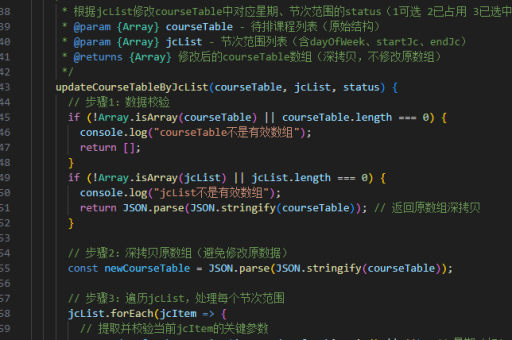
router.beforeEach((to, from, next) => {
  const token = localStorage.getItem('authToken')
  const userType = localStorage.getItem('userType')

  if (to.meta.requiresAuth && !token) {
    next('/login')
  } else if (to.meta.adminOnly && userType !== 'admin') {
    next('/unauthorized')
  } else {
    next()
  }
})
路由配置示例:
const routes = [
  {
    path: '/admin',
    component: AdminPanel,
    meta: { requiresAuth: true, adminOnly: true }
  },
  {
    path: '/dashboard',
    component: UserDashboard,
    meta: { requiresAuth: true }
  }
]
用户状态管理
对于复杂应用,建议使用Vuex集中管理用户状态:

const store = new Vuex.Store({
  state: {
    user: null,
    isAuthenticated: false
  },
  mutations: {
    setUser(state, userData) {
      state.user = userData
      state.isAuthenticated = true
    },
    logout(state) {
      state.user = null
      state.isAuthenticated = false
    }
  },
  actions: {
    async login({ commit }, credentials) {
      const response = await axios.post('/api/login', credentials)
      commit('setUser', response.data.user)
    }
  }
})
多用户界面差异化处理
根据用户类型显示不同UI组件:
<template>
  <div>
    <admin-dashboard v-if="userType === 'admin'"/>
    <user-dashboard v-else/>
  </div>
</template>

<script>
export default {
  computed: {
    userType() {
      return this.$store.state.user.type
    }
  }
}
</script>
安全注意事项
确保实现以下安全措施:
- 使用HTTPS协议传输数据
- 敏感信息如密码必须加密传输
- JWT token应设置合理过期时间
- 实现CSRF防护机制
- 密码等敏感数据不应存储在localStorage中
退出登录实现
清除用户认证信息并重定向:
methods: {
  logout() {
    localStorage.removeItem('authToken')
    localStorage.removeItem('userType')
    this.$store.commit('logout')
    this.$router.push('/login')
  }
}
以上方案可根据具体项目需求进行调整,建议结合后端RBAC(基于角色的访问控制)或ABAC(基于属性的访问控制)系统实现更精细的权限管理。