vue前端登录实现
登录功能实现步骤
安装依赖 确保项目已安装Vue.js和axios库。若未安装,可通过以下命令安装:
npm install vue axios创建登录组件
在src/components目录下创建Login.vue文件,包含表单模板、数据绑定及方法:

<template>
  <form @submit.prevent="handleSubmit">
    <input v-model="username" placeholder="用户名" />
    <input v-model="password" type="password" placeholder="密码" />
    <button type="submit">登录</button>
  </form>
</template>

<script>
export default {
  data() {
    return {
      username: '',
      password: ''
    }
  },
  methods: {
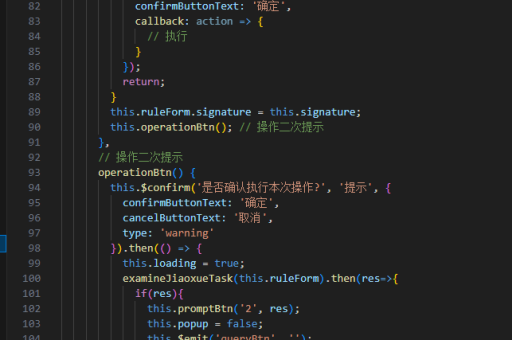
    async handleSubmit() {
      try {
        const response = await axios.post('/api/login', {
          username: this.username,
          password: this.password
        });
        localStorage.setItem('token', response.data.token);
        this.$router.push('/dashboard');
      } catch (error) {
        alert('登录失败');
      }
    }
  }
}
</script>
配置路由
在src/router/index.js中设置登录路由:
import Login from '../components/Login.vue';

const routes = [
  {
    path: '/login',
    name: 'Login',
    component: Login
  }
];
API接口封装
创建src/api/auth.js封装登录请求:
import axios from 'axios';

export const login = (credentials) => {
  return axios.post('/api/login', credentials);
};
状态管理(可选)
若使用Vuex,可在store中管理用户状态:
// store/modules/auth.js
const actions = {
  async login({ commit }, credentials) {
    const response = await login(credentials);
    commit('SET_TOKEN', response.data.token);
  }
};
安全注意事项
- 使用HTTPS协议传输数据
- 密码字段需在前端进行基础验证(如非空校验)
- 敏感信息避免存储在localStorage,考虑使用HttpOnly Cookie
- 后端应实现JWT或Session机制进行身份校验
扩展功能
- 添加验证码防止暴力破解
- 实现记住密码功能(需加密存储)
- 集成第三方登录(如OAuth2.0)
- 路由守卫拦截未认证访问
以上步骤提供了Vue前端登录的基础实现框架,具体细节需根据实际项目需求调整。