uniapp组件写法
uniapp组件的基本结构
在uniapp中创建组件通常需要遵循Vue单文件组件(SFC)规范。一个典型的组件文件包含<template>、<script>和<style>三个部分。
<template>
  <view class="example-component">
    <text>{{ message }}</text>
  </view>
</template>

<script>
export default {
  name: 'ExampleComponent',
  props: {
    msg: {
      type: String,
      default: 'Hello'
    }
  },
  data() {
    return {
      message: this.msg
    }
  },
  methods: {
    updateMessage(newMsg) {
      this.message = newMsg
    }
  }
}
</script>

<style scoped>
.example-component {
  padding: 20px;
}
</style>
组件的注册与使用
全局注册通常在main.js中进行:
import Vue from 'vue'
import ExampleComponent from '@/components/ExampleComponent.vue'

Vue.component('example-component', ExampleComponent)
局部注册在页面或父组件中进行:
<script>
import ExampleComponent from '@/components/ExampleComponent.vue'

export default {
  components: {
    ExampleComponent
  }
}
</script>
使用组件:
<template>
  <view>
    <example-component msg="Welcome"></example-component>
  </view>
</template>
组件间的通信方式
父组件向子组件传递数据:
<child-component :propName="parentData"></child-component>子组件向父组件发送事件:
// 子组件
this.$emit('custom-event', payload)

// 父组件
<child-component @custom-event="handleEvent"></child-component>
插槽的使用
默认插槽:
<!-- 子组件 -->
<view>
  <slot></slot>
</view>

<!-- 父组件 -->
<child-component>
  <text>默认插槽内容</text>
</child-component>
具名插槽:
<!-- 子组件 -->
<view>
  <slot name="header"></slot>
  <slot name="footer"></slot>
</view>

<!-- 父组件 -->
<child-component>
  <template v-slot:header>
    <text>头部内容</text>
  </template>
  <template v-slot:footer>
    <text>底部内容</text>
  </template>
</child-component>
生命周期钩子
uniapp组件支持Vue的所有生命周期钩子:
export default {
  beforeCreate() {},
  created() {},
  beforeMount() {},
  mounted() {},
  beforeUpdate() {},
  updated() {},
  beforeDestroy() {},
  destroyed() {},
  // uniapp特有生命周期
  onLoad() {},
  onShow() {},
  onReady() {},
  onHide() {},
  onUnload() {}
}
样式作用域
使用scoped属性可限制样式作用域:
<style scoped>
/* 仅作用于当前组件 */
</style>
条件与循环渲染
条件渲染:
<view v-if="show">显示内容</view>
<view v-else>备选内容</view>
循环渲染:
<view v-for="(item, index) in items" :key="index">
  {{ item.text }}
</view>
表单组件绑定
使用v-model实现双向绑定:
<input v-model="inputValue" type="text">
<checkbox-group v-model="checkedValues">
  <checkbox value="option1"></checkbox>
  <checkbox value="option2"></checkbox>
</checkbox-group>
自定义事件处理
组件内部触发事件:
methods: {
  handleClick() {
    this.$emit('click', eventData)
  }
}
外部监听事件:
<custom-button @click="handleButtonClick"></custom-button>组件性能优化
使用v-once进行静态内容优化:
<text v-once>永不改变的内容</text>合理使用计算属性:
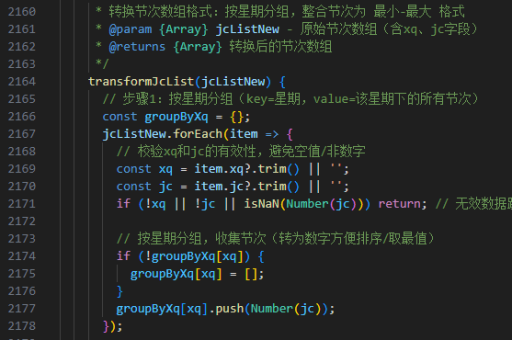
computed: {
  filteredList() {
    return this.list.filter(item => item.active)
  }
}