vue中登录功能实现
实现登录功能的基本流程
在Vue中实现登录功能通常需要结合前端页面、后端接口以及状态管理。以下是关键步骤的概述:
创建登录表单组件
使用Vue的单文件组件创建登录表单,包含用户名和密码输入框:
<template>
  <form @submit.prevent="handleLogin">
    <input v-model="username" type="text" placeholder="用户名" />
    <input v-model="password" type="password" placeholder="密码" />
    <button type="submit">登录</button>
  </form>
</template>

<script>
export default {
  data() {
    return {
      username: '',
      password: ''
    }
  },
  methods: {
    async handleLogin() {
      // 登录逻辑将在这里实现
    }
  }
}
</script>
发送登录请求
在handleLogin方法中,使用axios或其他HTTP库向后端发送请求:
methods: {
  async handleLogin() {
    try {
      const response = await axios.post('/api/login', {
        username: this.username,
        password: this.password
      })
      // 处理成功响应
    } catch (error) {
      // 处理错误
    }
  }
}
处理认证状态
成功登录后,通常需要保存用户token并更新应用状态。可以使用Vuex进行状态管理:
// store/modules/auth.js
const state = {
  user: null,
  token: null
}

const mutations = {
  SET_USER(state, user) {
    state.user = user
  },
  SET_TOKEN(state, token) {
    state.token = token
  }
}

const actions = {
  login({ commit }, { username, password }) {
    return axios.post('/api/login', { username, password })
      .then(response => {
        commit('SET_USER', response.data.user)
        commit('SET_TOKEN', response.data.token)
        localStorage.setItem('token', response.data.token)
      })
  }
}
路由守卫保护
使用Vue Router的导航守卫保护需要认证的路由:
// router/index.js
router.beforeEach((to, from, next) => {
  if (to.matched.some(record => record.meta.requiresAuth)) {
    if (!store.getters.isAuthenticated) {
      next({
        path: '/login',
        query: { redirect: to.fullPath }
      })
    } else {
      next()
    }
  } else {
    next()
  }
})
持久化登录状态
在应用初始化时检查本地存储中的token,自动登录:
// main.js
const token = localStorage.getItem('token')
if (token) {
  store.commit('SET_TOKEN', token)
  axios.defaults.headers.common['Authorization'] = `Bearer ${token}`
}
错误处理和用户反馈
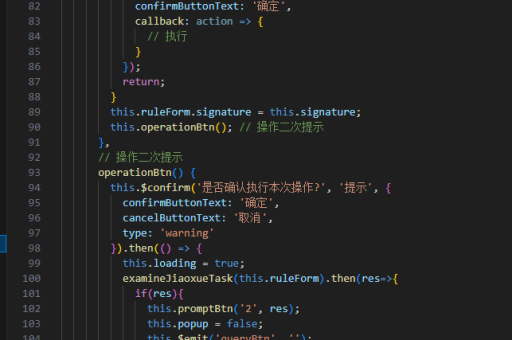
在登录过程中添加适当的错误处理和用户反馈:
methods: {
  async handleLogin() {
    this.loading = true
    this.error = null
    try {
      await this.$store.dispatch('login', {
        username: this.username,
        password: this.password
      })
      this.$router.push(this.$route.query.redirect || '/dashboard')
    } catch (error) {
      this.error = error.response?.data?.message || '登录失败'
    } finally {
      this.loading = false
    }
  }
}
安全注意事项
实现登录功能时需考虑以下安全措施:
- 使用HTTPS加密通信
- 密码字段应使用POST方法传输
- 后端应对密码进行哈希处理
- 实现适当的CSRF保护
- 设置合理的token过期时间
以上步骤提供了Vue中实现登录功能的基本框架,实际实现可能根据具体需求和技术栈有所调整。